Baby Cow Embroidery Design Review
As a designer who spends hours judging stitch density, color harmony, and overall marketability, I approach every new embroidery file with a mix of curiosity and skepticism. The digital asset space is flooded with generic clip-art converted into stitches, but occasionally, something comes along that actually feels like it belongs on a finished product. That is exactly where the Baby Cow design lands. It isn’t just another cute animal motif; it is a carefully composed scene that balances whimsy with structural integrity.
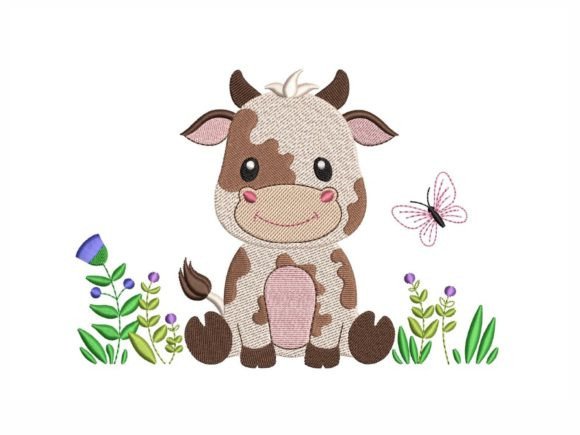
This design features an adorable sitting baby cow nestled in grass, surrounded by flowers and butterflies. At first glance, it screams "nursery decor," but when you look closer at the composition, you realize its potential extends far beyond just baby clothes. For those of us running craft business ventures or selling on platforms like Etsy, finding designs that offer high perceived value without requiring excessive digitizing time is crucial. This piece hits that sweet spot.
First Impressions and Visual Personality
The moment I loaded this machine embroidery design into my software, the layout caught my eye. Unlike many crowded designs that feel frantic, this one breathes. The central figure—the baby cow—is positioned comfortably within the frame, creating a focal point that draws the eye immediately. The surrounding elements, specifically the grass, flowers, and butterflies, are not just filler; they add depth and context to the scene.
From a design perspective, the mood is warm, inviting, and distinctly soft. It evokes a sense of springtime and gentle growth. This visual personality makes it incredibly versatile. It works beautifully for personalized gift items, such as monogrammed blankets or bibs, but it also has enough charm to stand alone as a statement piece on apparel. The balance between the organic shapes of the nature elements and the rounded, friendly form of the cow creates a harmonious visual weight that translates well to thread.
Real-World Application: From Screen to Stitch
I often tell my clients that a design looks different on a screen than it does under the needle. To truly evaluate Baby Cow, I had to imagine it in real-world scenarios. Let’s talk about a specific project: a custom embroidered tote bag for a boutique children’s brand.
Placing this design on a canvas tote requires careful consideration of scale and placement. Because the design includes intricate details like butterfly wings and flower petals, it needs enough surface area to breathe. On a standard 7x7 inch hoop, the design would likely fill the space nicely, creating a bold graphic that catches attention in a shop window. However, if you were to shrink it down too much for a small pocket square or a tiny patch, those delicate details might get lost in the fabric texture.
I also envision this design performing exceptionally well on sweatshirt embroidery. Imagine a cream or pastel-colored hoodie with the cow centered on the chest. The contrast between the soft fleece texture and the crisp threads of the satin stitch areas (likely used for the cow’s outline and eyes) would create a luxurious tactile experience. Customers love products that look good and feel good, and this design supports both.
Furthermore, consider its application on kids’ clothes. Whether it’s a onesie, a pair of overalls, or a denim jacket, the theme fits perfectly. It aligns with current trends in baby animals merchandise, which remains a perennial bestseller. Parents are constantly looking for unique yet recognizable motifs for their little ones, and this design offers a fresh take on the classic farmyard theme.
Product Versatility and Market Appeal
One of the strongest selling points of this embroidery project is its adaptability across various product categories. Here is how it translates to different items:
- Tote Bags: Perfect for grocery runs or beach days, appealing to parents who want functional art.
- Pillowcases and Bed Sets: Adds a cozy, thematic touch to a child’s bedroom, enhancing the room’s decor narrative.
- Framed Art: When stitched onto stabilizer and framed, it becomes a standalone piece of wall art, offering a high-margin digital-to-physical product opportunity.
- Aprons and Kitchen Towels: Surprisingly effective for farmhouse-style kitchen decor, bridging the gap between nursery and home aesthetics.
For Etsy sellers and small shop owners, this versatility means you can list the same digital embroidery file across multiple product mockups. A well-executed printable mockup showing the cow on a hat, a bag, and a pillow can significantly boost conversion rates by helping buyers visualize the final result.
Technical Considerations and Potential Pitfalls
No design is without its challenges, and being honest about where Baby Cow might struggle is essential for maintaining professional standards. While the overall composition is strong, there are specific areas where caution is advised.
First, always test the design on scrap fabric before committing to your final material. This is non-negotiable for any serious embroiderer. Pay close attention to the stitch density in the grass and flower areas. If the density is too high, the fabric may pucker, especially on lightweight materials. Conversely, if it is too low, the design may look sparse and lack definition.
Thread color contrast is another critical factor. On dark fabrics, ensure that the lighter threads used for the cow’s highlights and the butterfly wings will pop sufficiently. You may need to adjust the thread palette or use a backing stabilizer to prevent show-through. Similarly, on textured fabrics like heavy denim or terry cloth, fine details might get obscured. In these cases, using a cut-away stabilizer is recommended to support the fabric during stitching.
Be mindful of the hoop size limitations. If the design is large, you might need a larger hoop, which could restrict placement options on certain garments. Also, avoid placing dense stitch areas near curved surfaces like caps or sleeves unless you have extensive experience with multi-hoop techniques. The risk of distortion increases significantly in these areas.
Designer’s Checklist for Success
To ensure your finished product looks professional and stands out in a competitive market, follow these practical steps:
- Test First: Always run a test stitch on the exact fabric you plan to use.
- Check Contrast: Evaluate thread colors against the fabric background, preferably in black and white to check value distribution.
- Inspect Details: Zoom in on the digital file to inspect small details like butterfly antennae and flower centers. Ensure they are digitized clearly.
- Confirm Licensing: Before selling commercial embroidery items or design assets, verify the license terms. Some files are for personal use only, while others allow commercial resale.
- Use Proper Stabilizer: Match the stabilizer type (cut-away, tear-away, or wash-away) to the fabric weight and stretch.
By keeping these technical nuances in mind, you can maximize the visual appeal and longevity of your projects. The Baby Cow design is a charming addition to any library, offering a blend of aesthetic warmth and practical utility. Whether you are creating a heartfelt personalized gift or building a robust line of handmade products, this design provides a solid foundation for success. It reminds us that great embroidery is not just about technical precision, but about capturing a feeling—and this little cow certainly captures the joy of creation.