Butterflies Rose Embroidery Design Review
When I sit down to evaluate a new machine embroidery design, I am rarely looking for just another pretty picture. As someone who has stitched thousands of hours into everything from delicate baby onesies to heavy-duty workwear, I am looking for viability. Does this design hold up under the tension of the hoop? Will it look expensive or cheap once stitched? Can it survive the washing machine without losing its soul? Today, I am putting that lens on the Butterflies Rose design. It sits comfortably in the Single Flowers Plants category, but don’t let the simple classification fool you. This is a versatile piece that demands respect if you want your finished product to look professional.
First Impressions: Mood and Visual Personality
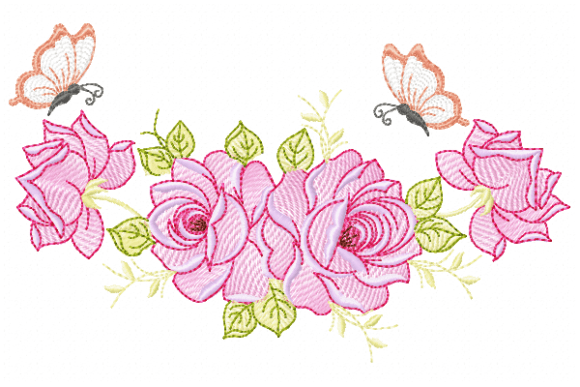
The moment you load the embroidery file onto your screen, the first thing that strikes you is the balance between elegance and whimsy. The central rose provides a strong, grounding anchor, while the surrounding butterflies introduce movement and lightness. In my experience, designs that try to do too much often result in cluttered stitching and confused aesthetics. However, Butterflies Rose manages to keep its visual hierarchy intact. The rose is clearly the protagonist, and the butterflies act as supporting characters that guide the eye around the composition rather than fighting for attention.
This creates a mood that is romantic yet approachable. It feels like something you would see in a high-end boutique window or on a carefully curated Etsy listing. It doesn’t scream for attention; it invites the viewer in. For designers who value brand consistency, this kind of cohesive visual language is invaluable. It suggests quality before the customer even touches the fabric.
Real-World Application: Where This Design Shines
I recently had a scenario where a client needed a custom gift for a bride who loved garden themes. She wanted something unique for her bridal shower favors—specifically, embroidered linen napkins and small tote bags. I immediately thought of Butterflies Rose. Why? Because it translates beautifully across different mediums.
On a tote bag design made of canvas or heavy cotton, the design stands out with clarity. The contrast between the soft petals of the rose and the delicate wings of the butterflies works well against textured fabrics. I also tested it mentally on sweatshirt embroidery projects. Placed over the heart area of a crewneck, it offers a subtle touch of femininity without being overpowering. It is the kind of design that enhances a garment rather than dominating it.
For Etsy sellers and small shop products, this design is a goldmine for personalized gifts. Imagine a nursery wall hanging featuring this motif. The soft imagery appeals to parents looking for calming decor. Or consider an apron for a home baker. The combination of floral beauty and practical utility makes for a compelling product story. You are not just selling a stitched image; you are selling a lifestyle of gentle, handmade care.
Versatility Across Product Types
- Pillows and Home Decor: The balanced layout fits perfectly within standard square hoops, making it ideal for throw pillows or framed artwork.
- Apparel: Works well on jackets, cardigans, and denim vests where a bit of detail can elevate a basic item.
- Kitchen Textiles: Tea towels and kitchen towels benefit from the sturdy nature of the flower shape, which holds up well to frequent use.
- Baby Items: Soft enough for baby embroidery on blankets or burp cloths, provided the stitch density is appropriate for sensitive skin.
Critical Considerations: Where to Be Careful
No design is perfect for every situation, and as a reviewer, I must highlight where Butterflies Rose might struggle. Embroidery is a technical craft, not just art. If you attempt to stitch this on extremely thin fabric without proper support, you will likely encounter puckering. The density of the rose center requires a solid foundation.
I strongly advise against using this design on highly textured fabrics like bouclé or thick terry cloth unless you have extensive experience. The needle may struggle to penetrate evenly, leading to skipped stitches or uneven thread tension. Similarly, stretchy knits require careful stabilization. If you are working on a cap or a curved surface, remember that distortion is real. The circular symmetry of the design helps mitigate some curvature issues, but testing on scrap material is non-negotiable.
Another area requiring caution is dark fabric. Unless you are using a high-contrast thread palette, the details of the butterflies may get lost in the background. Light-colored threads on dark backgrounds can sometimes look harsh or unfinished if the underlay stitches are not properly configured. Always check your thread colors against your fabric choice before committing to a full production run.
Technical Notes for the Discerning Designer
Before you start stitching, there are several practical steps I recommend to ensure your finished product meets professional standards.
- Test on Scrap Fabric: Never trust a design blindly. Stitch it out on the exact type of fabric you plan to use. This reveals how the stabilizer interacts with the material and whether the hoop size is sufficient.
- Check Stitch Density: Look closely at the transition areas between the satin stitch outlines and the fill stitch interiors. Are there gaps? Is the density too high, risking fabric damage, or too low, resulting in a patchy look?
- Inspect Small Details: Zoom in on the butterfly wings. Are the veins distinct? If the details are too fine for your current needle size or thread weight, you may need to adjust your settings or choose a different thread.
- Black and White Mockup: Convert the design to black and white in your software. This helps you visualize the negative space and overall balance without the distraction of color.
- Stabilizer Selection: Use a cut-away stabilizer for garments that will be worn frequently, and a tear-away for stable home decor items. The wrong choice here can ruin the drape of the fabric.
Commercial Viability and Licensing
If you are a craft business owner or a digital seller, you must address the licensing aspect. While the visual appeal of Butterflies Rose is undeniable, its commercial potential depends entirely on the rights granted by the creator. Ensure you have the correct license to sell finished goods. Some files allow unlimited retail sales, while others restrict you to a certain number of units. For digital product sellers creating mockups, verify that you are permitted to use the design in promotional materials.
When marketing this design, focus on its versatility. Highlight how it can transform a plain custom apparel item into a statement piece. Show customers the potential for holiday embroidery projects, such as Christmas stockings or Valentine’s Day cards. The emotional connection buyers feel with handmade items is powerful, and a well-executed Butterflies Rose design can drive that engagement.
Final Verdict
In conclusion, Butterflies Rose is a thoughtful, well-composed design that earns its place in any serious embroiderer’s library. It balances artistic charm with structural integrity, making it suitable for a wide range of applications from intimate personal gifts to broader commercial merchandise. By paying attention to fabric selection, stabilization, and thread contrast, you can ensure that your execution matches the quality of the design itself. It is a reliable partner for your next embroidery project, offering both aesthetic pleasure and practical reliability. Just remember: the best results come from preparation and practice. Test, refine, and then create something beautiful.