Creative Patch Review
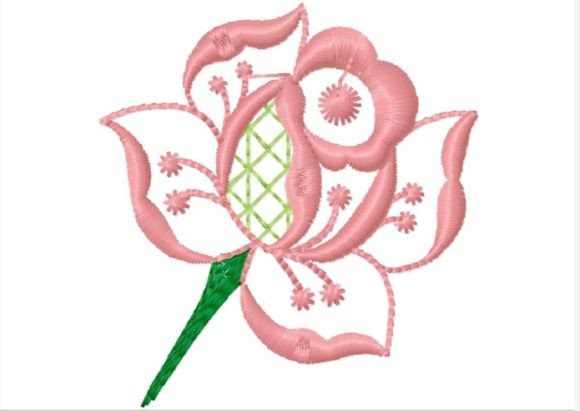
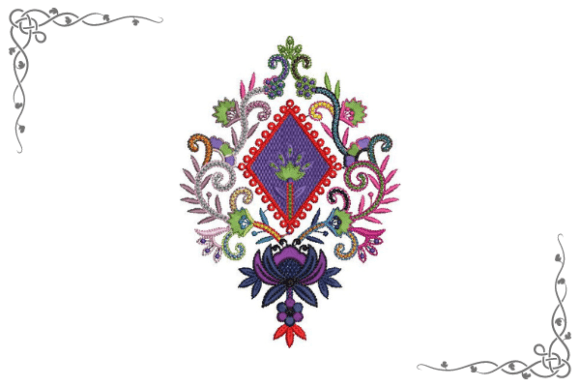
As an embroidery designer who has spent years turning digital files into tangible brand assets, I look at every new design with a specific lens: will this sell? Will it hold up on a daily-wear item? Does it communicate the right vibe to a customer scrolling through Etsy or browsing a boutique shelf? Today, I am reviewing the Creative Patch, a machine embroidery design described as adding a "cozy and artistic feel" to fabric. The description highlights its versatility for decorative pillows, bedsheets, clothes, and home decor, noting that the file comes with multiple variations.
This review is not just about aesthetics; it is about utility for small business owners, apparel decorators, and handmade brands. We will explore how Creative Patch performs as a branded element for merch, uniforms, and product labels.
First Impressions: Cozy Meets Commercial
The title "Creative Patch" paired with the description of a flower motif suggests a design that leans toward the rustic, elegant, or perhaps slightly playful side of the market. In my experience, floral designs are ubiquitous in the wedding and home decor spaces, but they can easily fall into the trap of looking dated if the stitch work isn't balanced. The promise of a "cozy" feel implies soft lines and perhaps a hand-drawn aesthetic, which is highly desirable for brands targeting customers who value authenticity and warmth.
For a small business owner—whether you run a local café, a florist shop, or a handmade candle brand—this design offers immediate visual appeal. It feels approachable rather than corporate. However, the term "artistic" is a double-edged sword. While it suggests uniqueness, it also requires careful execution to ensure the design doesn't become muddy when digitized. If the Creative Patch relies heavily on intricate details, it must be tested rigorously before being committed to production runs.
Real-World Business Applications
Where does Creative Patch shine in a commercial context? Based on its floral nature and versatile description, here are several high-value applications:
- Embroidered Patches: This is likely the primary use case. A well-executed floral patch can serve as a logo alternative for denim jackets, tote bags, or beanies. It adds a tactile element that prints cannot replicate.
- Staff Uniforms and Aprons: For bakeries, florists, or boutique retail staff, a subtle floral accent on the chest or sleeve can soften the uniform's appearance while maintaining professionalism. It signals creativity without sacrificing cleanliness.
- Tote Bag Design: Canvas totes are a staple for craft fairs and eco-conscious branding. Placing Creative Patch centrally or off-center on a tote bag creates a premium look that encourages customers to carry your brand publicly.
- Cap Embroidery: Floral motifs work exceptionally well on the curved front panels of caps. They offer a softer alternative to traditional text-heavy logos, appealing to a demographic that prefers minimalist yet charming branding.
- Product Packaging Accents: Small embroidered patches attached to gift tags, boxes, or hang-tags elevate the unboxing experience. This is crucial for Etsy sellers and handmade brands where presentation drives repeat purchases.
- Custom Apparel: As a sleeve detail or back yoke accent, the design adds a unique selling point to custom t-shirts or hoodies, differentiating them from mass-produced merchandise.
Strategic Placement and Cautionary Notes
While the potential is high, there are areas where Creative Patch requires careful handling. Not all fabrics and surfaces are created equal. Here is where designers should exercise caution:
- Small Patch Sizes: If the design includes fine details or tiny lettering, scaling it down too far will result in a loss of clarity. Always check the minimum recommended size for the embroidery file. If the petals merge together due to low resolution, the "artistic" feel becomes a blurry mess.
- Curved Surfaces: When placing the design on caps or cylindrical items, distortion can occur. Ensure the digitization accounts for curve tension, or the flowers may appear stretched or warped.
- High Stitch Density: If the design uses dense satin stitches for outlines, it may create a stiff, plastic-like texture on delicate fabrics like silk or thin cotton. Test on the actual garment fabric to ensure comfort.
- Dark Uniforms and Contrast: Ensure sufficient thread color contrast. On dark backgrounds, light-colored floral designs might get lost unless underlay stitching is robust enough to provide opacity.
- Frequent Washing: For items like aprons or work shirts that undergo industrial laundering, verify the durability of the stitches. Loose threads or poor backing can lead to premature wear.
Impact on Brand Identity and Customer Trust
In the world of small business merch, perception is reality. An embroidered patch conveys quality and attention to detail that printed graphics often lack. By using Creative Patch, you signal to your customers that you care about the tactile experience of your products. This enhances brand identity by associating your name with craftsmanship and artistry.
Furthermore, consistency is key. If Creative Patch aligns with your other design assets—such as your website graphics or packaging colors—it reinforces visual recognition. Customers subconsciously link the cozy, artistic vibe of the embroidery with the reliability of your service. This builds trust and can justify a higher price point for your finished product.
Practical Designer Notes for Production
Before committing to a large batch, follow these essential steps to ensure success:
- Test in Black and White: Strip away the color distractions. Does the shape of the flower still read clearly? This helps identify structural weaknesses in the digitization.
- Check Thread Color Contrast: Select thread colors that complement your brand palette while ensuring readability against the target fabric.
- Inspect Spacing and Hoop Size: Confirm that the hoop size accommodates the full design without awkward trimming. Ensure spacing between elements allows for proper needle movement.
- Use Proper Stabilizer: The choice of stabilizer (cut-away vs. tear-away) significantly affects the final look. For stretchy fabrics or heavy-use items, a cut-away stabilizer is usually safer to prevent puckering.
- Create a Printable Mockup: Before sewing, generate a printable mockup to show clients or stakeholders. This helps visualize the scale and placement on the actual item.
- Confirm Commercial Licensing: Most importantly, verify that you have the rights to use Creative Patch for commercial purposes. Even if the description mentions "multiple embr" variations, ensure the license covers merchandise sales.
Ultimately, Creative Patch holds significant promise for businesses looking to add a touch of elegance and warmth to their offerings. By treating it as a strategic brand asset rather than just a decorative element, you can leverage its artistic appeal to drive engagement and loyalty. Remember to test thoroughly, choose the right fabrics, and maintain high standards of execution. When done correctly, this design can transform simple items into memorable branded experiences.