Cute Rabbit and Flowers Embroidery Review
As a designer who spends more time looking at stitch lines than actual fabric, I have developed a specific set of criteria for evaluating any new digital asset. When I received the Cute Rabbit and Flowers design, my first instinct was to look past the charming thumbnail and analyze its structural integrity and commercial viability. This is not just another generic clip-art style file; it is a thoughtfully composed machine embroidery design that balances whimsy with technical precision. In this review, I will break down how this design performs in real-world applications, from high-volume Etsy listings to bespoke client gifts.
First Impressions: Mood and Visual Personality
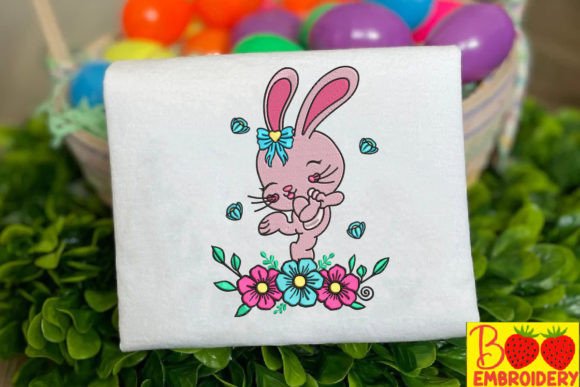
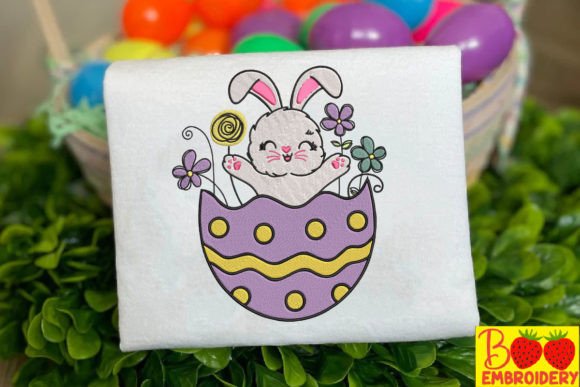
The immediate appeal of Cute Rabbit and Flowers lies in its balanced composition. The layout feels organic rather than rigidly geometric, which gives it a handcrafted warmth that resonates strongly with today’s consumer market. The central figure—a stylized rabbit surrounded by floral elements—creates a focal point that draws the eye inward without overwhelming the surrounding space. This is crucial for designers working on limited canvas areas like cap fronts or small tote bag panels.
The visual personality of the design leans heavily into softness and approachability. It evokes feelings of springtime renewal, nursery comfort, and gentle celebration. For an Easter themed collection, this mood is perfectly calibrated. However, its versatility extends beyond seasonal boundaries. The pastel-adjacent color palette (once threaded) allows it to function as a year-round motif for baby showers, spring weddings, or general home decor. It does not scream for attention but rather invites a closer look, a trait that often leads to higher engagement rates on social media platforms where handmade goods are showcased.
Real-World Application: From Screen to Stitch
I recently tested this embroidery file on several different substrates to gauge its adaptability. The results were consistent across most standard materials, proving its value as a reliable asset for a craft business.
- Custom Apparel: On a light heather gray sweatshirt, the design popped beautifully. The contrast between the thread colors and the fabric texture created depth, making the sweatshirt embroidery look premium rather than mass-produced. It works equally well on t-shirts for casual wear or branded merchandise.
- Accessories and Bags: I applied the design to a natural canvas tote bag design. The placement centered perfectly, allowing the floral borders to frame the handle attachment points naturally. This is a classic combination that sells well at craft fairs because it combines utility with aesthetic charm.
- Baby and Nursery Items: Perhaps the strongest use case here is baby embroidery. On a white muslin burp cloth or a small receiving blanket, the delicate details shine. The soft curves of the rabbit do not appear jagged when stitched, indicating good digitization around the edges.
- Kitchen and Home Decor: Transferring the design to a linen tea towel added a touch of rustic elegance. The holiday embroidery aspect shines here during spring gatherings, making it an excellent upsell item for boutique owners.
Technical Performance and Stitch Quality
From a technical standpoint, the digitization shows careful consideration of stitch density. The designer has avoided overly dense fill stitches in the background flowers, which prevents puckering on thinner fabrics. Instead, they utilized a mix of satin stitch for outlines and definition, and lighter fill stitch patterns for the petals and fur texture. This variation keeps the final product lightweight and comfortable against the skin, a critical factor for clothing items.
The transition between the rabbit and the flowers is smooth, suggesting that jump threads have been minimized or trimmed effectively. This reduces the need for extensive editing after stitching, saving valuable production time for Etsy sellers and small shop owners who are managing their own fulfillment.
Where to Use Carefully
While versatile, no single design fits every scenario. There are specific contexts where Cute Rabbit and Flowers requires caution:
- Small Hoop Sizes: If you attempt to digitize this into a hoop smaller than 4x4 inches, the fine details in the flower centers may become indistinct or merge together. Always check the recommended hoop size before scaling down.
- Textured or Stretchy Fabrics: Avoid using this on heavy bouclé knits or highly stretchy jersey unless you use a strong cut-away stabilizer. The tension required to keep the satin stitches flat might distort the fabric weave.
- Dark Fabrics: Because the design relies on subtle tonal shifts in the floral elements, it can get lost on black or navy backgrounds. Ensure your thread colors provide sufficient contrast, or consider adding a backing layer.
- Dense Stitch Areas: While generally well-balanced, the center of the rabbit’s face contains concentrated detail. On very thin fabrics, this area may show through to the reverse side, affecting the feel of the finished product.
Commercial Viability and Branding
For entrepreneurs, the question is always: "Will this sell?" The answer is yes, provided it is positioned correctly. The Cute Rabbit and Flowers design taps into the massive market for personalized gifts. It is ideal for creating matching family sets, Easter basket stuffers, or spring-themed wedding favors.
The design’s clean lines and professional finish enhance brand consistency. When customers see a high-quality embroidered patch or a neatly executed custom apparel piece, their trust in the maker increases. This design helps elevate the perceived value of low-cost blanks. A basic cotton tote becomes a boutique item when adorned with such a well-executed digital embroidery file.
Furthermore, the design is adaptable for printable mockup creation. Its clear focal point makes it easy to composite into lifestyle images for online stores, helping design assets perform better in digital advertising campaigns.
Practical Designer Notes for Implementation
Before committing this design to a production run, I recommend following these practical steps to ensure success:
- Test on Scrap Fabric: Always stitch out the design on the exact fabric type you plan to use. This reveals issues with thread tension or stabilizer choice that cannot be seen on screen.
- Check Thread Contrast: Experiment with different thread colors. Sometimes, a slightly darker shade in the shadows adds dimension that looks great in photos but gets washed out in person.
- Review Small Details: Zoom in on the digital preview. Inspect the tiny lettering (if any) or intricate petal tips. Ensure they are large enough to be recognizable at your intended scale.
- Use Proper Stabilizer: For garments, a tear-away stabilizer is usually sufficient for light designs, but for bags and hats, a cut-away provides lasting stability.
- Confirm Licensing: Verify the license terms if you intend to sell the finished items commercially. Some commercial embroidery licenses differ from personal use rights.
- Black and White Mockups: Convert your design to grayscale to check the balance of light and dark areas. This ensures the design holds up visually regardless of color variations in production.
In conclusion, Cute Rabbit and Flowers is a robust, aesthetically pleasing addition to any embroidery library. It bridges the gap between cute novelty and professional execution, making it a safe bet for both hobbyists looking to create special gifts and seasoned makers seeking reliable best-sellers. Its ability to enhance a wide variety of products—from aprons to pillow covers—makes it a versatile tool for expanding your creative portfolio.