Ghost Machine Embroidery Design Review
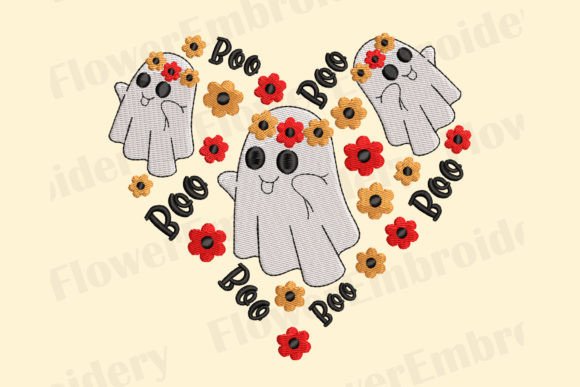
As an embroidery designer who spends weekends hunched over a table at craft fairs, I know that first impressions are everything. When a customer walks by my booth, they have about three seconds to decide if a handmade item is worth stopping for. That is why I am always critical of the embroidery files I choose to turn into inventory. Today, I am reviewing the Ghost Machine Embroidery Design, a piece described as featuring friendly ghosts with a heart pattern made of pretty colorful flowers. This sounds like a potential winner for the upcoming seasonal rush, but let us look at it through the lens of production, visual appeal, and marketability.
First Impressions: Cute Meets Colorful
The description of the Ghost Machine Embroidery Design suggests a mood that is soft, festive, and distinctly modern. Unlike traditional Halloween motifs that rely on orange and black or spooky imagery, this design leans into a "friendly" aesthetic. The combination of ghost silhouettes with a heart motif filled with colorful flowers creates a unique visual hook. It feels less like a horror theme and more like a celebratory, whimsical statement. For a craft fair product, this distinction is vital. It broadens your audience beyond those looking for scary decor to include anyone who appreciates cute, seasonal art.
Visually, the design promises high contrast and vibrancy. The "pretty colorful flowers" inside the heart shape will likely pop against neutral backgrounds, making it an excellent candidate for a tote bag design or a framed art piece. However, the success of this aesthetic depends entirely on execution. If the colors clash or the density is too high, the "cute" factor can quickly turn into a muddy mess. As a designer, my first thought is that this design needs clean lines and distinct color separation to maintain its charm.
Product Applications and Market Fit
When evaluating any new machine embroidery design, I immediately visualize where it can live on finished goods. The Ghost Machine Embroidery Design is versatile enough to work across several categories, but some applications will yield higher sales than others.
- Tote Bags and Market Bags: This is arguably the strongest application. A large, colorful heart-ghost on a canvas tote is eye-catching and practical. Shoppers love carrying their purchases in branded or aesthetically pleasing bags. The design serves as both decoration and advertisement for your brand.
- Halloween Costumes and T-Shirts: For those selling apparel, this design offers a playful alternative to standard trick-or-treat gear. It works well on the chest pocket area or centered on the back of a shirt. It appeals to parents looking for non-scary options for younger children.
- Pillowcases and Framed Art: Home decor items allow for larger display areas. The floral heart detail shines here, especially when stitched on crisp white or cream cotton. These items often sell as gifts, adding value to your booth offerings.
- Embroidered Patches: If the design scales down well, it could be digitized as a patch for caps or backpacks. Patches are low-cost impulse buys that move quickly at a fair.
- Kitchen Towels and Aprons: While functional, these items require careful consideration of fabric texture. The tea towel embroidery market is competitive, so the design must be bold enough to stand out against the weave of the towel.
Production Practicality and Sales Strategy
From a business perspective, a design is only as good as its repeatability. Can you produce fifty units efficiently? The Ghost Machine Embroidery Design appears to have a central focal point (the heart), which simplifies hooping and alignment. Consistency is key for small shop product lines; customers expect uniformity. If the design allows for quick positioning and stable stitching, it reduces your labor time per unit, increasing your profit margin.
Photography is another critical factor. A design with "pretty colorful flowers" will photograph beautifully, provided the lighting is good. Bright colors translate well to digital platforms, making this a strong asset for an Etsy seller creating printable mockups or listing finished goods online. The visual interest of the floral heart will stop the scroll in a crowded feed, driving traffic to your shop.
However, consider the "batch production" aspect. If the design requires frequent thread changes or complex trimming, it may slow down your workflow. Evaluate whether the thread colors required can be prepped easily. A streamlined process means you can restock faster during peak seasons like October.
Careful Use Notes and Technical Challenges
No design is without its pitfalls. As an experienced maker, I urge caution regarding the following technical aspects of the Ghost Machine Embroidery Design:
- Dense Stitch Areas: Hearts filled with intricate flower patterns can become very dense. High stitch density can cause fabric puckering, especially on lightweight materials like thin cotton tees or delicate pillowcases. Always test on scrap fabric to ensure the backing stabilizer is sufficient.
- Tiny Details: Small flower petals or ghost features may lose clarity if the design is scaled down too much. Avoid shrinking the design below a size where individual elements become indistinguishable blobs. If you plan to use it for small pouches or patches, verify that the minimum viable size retains its character.
- Fabric Texture: Textured fabrics, such as waffle-weave tea towels or thick denim, can obscure fine details. The fabric texture might swallow up the smaller stitches, leaving only the outlines visible. Stick to smooth, tightly woven fabrics for the best results.
- Curved Surfaces: Applying this design to caps or curved tote handles requires advanced skills. The flat nature of the heart graphic might distort if not stabilized properly on a curved surface. For beginners, stick to flat surfaces like aprons and tote bags.
- Dark Fabric Contrast: If you intend to stitch this on dark-colored items, ensure you have enough light-colored threads available. The "colorful flowers" need brightness to show up. Without proper underlay or bright top threads, the design may look dull against black or navy fabric.
Designer’s Checklist for Production
Before committing to a full run of commercial embroidery products, follow these steps to ensure quality:
- Test on Scrap: Never skip this step. Run the design on the exact fabric you plan to sell. Check for puckering, bird nesting, or loose threads.
- Check Hoop Size: Confirm that the hoop size accommodates your intended product dimensions. You do not want to discover mid-production that the design is too large for your machine's hoop.
- Inspect Stitch Density: Zoom in on the digital file if possible. Look for areas where stitches overlap excessively. If it looks crowded, consider simplifying the design or using a cut-away stabilizer for support.
- Create a Real Mockup: Produce one perfect sample. Photograph it in natural light. Does it look as good in person as it did on screen? This sample will be your booth centerpiece.
- Confirm Licensing: Most importantly, verify the commercial license terms. Ensure you are legally permitted to sell finished products made from this digital embroidery file. Do not assume permission; check the provider’s terms explicitly.
Final Verdict
The Ghost Machine Embroidery Design holds significant promise for the handmade market. Its blend of friendly ghosts and floral hearts offers a fresh take on seasonal decor that appeals to a wide demographic. By focusing on high-quality fabrics, proper stabilization, and strategic product placement—particularly on totes and home decor—you can create compelling handmade products that stand out at craft fairs and online shops alike. Just remember to respect the technical limitations of embroidery and prioritize quality control. When executed well, this design can be a standout addition to your design assets portfolio, driving engagement and sales throughout the Halloween season.