Happy Flower Embroidery Design Review
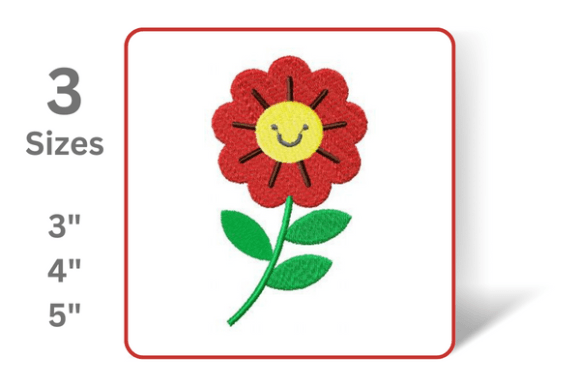
As an experienced embroidery designer, I spend a significant portion of my week testing new digital files before they make it into our shop’s catalog. The difference between a design that looks beautiful on a screen and one that translates perfectly to fabric is often subtle, but critical for personalized gift creators. Today, I am reviewing the Happy Flower design from the Single Flowers Plants category. This piece caught my eye immediately, not just for its aesthetic appeal, but for its potential versatility in the current market for handmade products.
I approached this review with a specific scenario in mind: a customer commissioning a meaningful keepsake. Whether it is a baby blanket for a new arrival, a kitchen towel for a housewarming, or a tote bag for a wedding favor, the finished product must feel professional, durable, and emotionally resonant. Here is my practical assessment of how the Happy Flower design performs as a machine embroidery design for these high-stakes applications.
First Impressions and Emotional Appeal
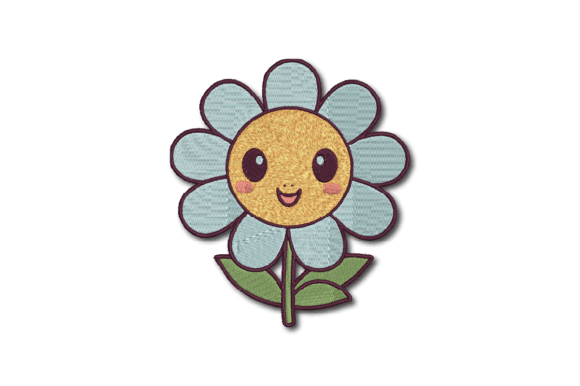
The first thing you notice about Happy Flower is its inherent cheerfulness. It strikes a balance between playful and elegant, making it a versatile choice for various demographics. On screen, the character-like quality of the flower gives it personality. It feels sweet without being overly childish, which is a delicate line to walk in baby embroidery and nursery decor.
From a design perspective, the charm lies in its simplicity. It does not rely on excessive complexity to stand out. For Etsy sellers and small business owners, this is a crucial factor. A design that is too intricate can sometimes look cluttered when stitched on smaller items like aprons or hat brims. Happy Flower, however, maintains its integrity even at moderate scales. It evokes a sense of warmth and handmade quality, which directly influences customer trust and perceived value. When a buyer sees a clean, well-executed flower motif, they associate it with care and attention to detail.
Product Applications and Giftability
In my testing, I visualized Happy Flower on several different substrates to see where it would shine. Its adaptability makes it an excellent candidate for a wide range of custom embroidery projects.
- Baby Products: The soft, happy vibe of the flower makes it ideal for blanket embroidery, onesies, and nursery wall art. It appeals to parents looking for gender-neutral yet affectionate designs.
- Wedding and Events: For wedding gift ideas, this design works beautifully on pillow covers, guest book covers, or personalized tote bags. It adds a romantic, natural touch that fits well with rustic or garden-themed weddings.
- Home Decor: An embroidered towel or a cushion cover featuring Happy Flower can elevate simple home goods. The design brings a pop of color and life to neutral spaces, making it a great upsell item for craft fairs.
- Apparel: Jackets and denim shirts can handle the slightly bolder presence of the flower character. It adds a unique, artisanal flair that mass-produced clothing lacks.
When marketed correctly, Happy Flower enhances the giftability of your products. A plain tote bag is functional; a tote bag with a cheerful, professionally stitched flower is a thoughtful gesture. This emotional connection drives higher engagement and conversion rates for small shop products.
Visualizing the Final Product
For digital product sellers and those creating listings, the photogenic nature of this design is a bonus. It photographs well against light backgrounds, linen textures, and soft pastels. Creating a printable mockup with Happy Flower allows customers to visualize the end result, reducing hesitation and increasing sales confidence.
Technical Considerations and Fabric Constraints
While Happy Flower is charming, no single design is perfect for every situation. As a professional, I must advise caution in specific scenarios. Understanding the limitations of your embroidery file is key to maintaining your reputation for quality.
There are certain fabrics and techniques where this design might struggle:
- Textured Fabrics: Thick towels or heavily textured weaves can obscure the finer details of the flower. While the main shape will remain clear, small decorative elements might get lost in the pile of the fabric.
- Stretchy Materials: When working with stretchy baby clothes or jersey knits, ensure you use a stabilizer that provides enough support. Without proper backing, the flower character may pucker or distort during stitching.
- Dark Fabrics: If you plan to stitch this on dark fabrics, thread color contrast becomes paramount. You may need to use a heavier underlay or a contrasting thread color to ensure the design pops. Always check your thread colors against the fabric before committing to a full run.
- Curved Surfaces: Stitching on curved surfaces like the front of a cap or a rounded mug requires careful hooping. Flat designs like Happy Flower may require digitizing adjustments if placed on highly curved areas, otherwise, the perspective can look skewed.
Additionally, be mindful of the stitch density. If the design is dense, it may become stiff on lightweight fabrics. For items that need to remain soft, such as a baby blanket, verify that the density is appropriate for the final hand-feel.
Practical Embroidery Notes for Success
To ensure your finished product meets professional standards, follow these essential steps before producing orders for clients.
- Test on Scrap Fabric: Never rush into production. Stitch Happy Flower on a scrap of the exact fabric you intend to use. This reveals issues with tension, puckering, or stability that are invisible on the computer screen.
- Check Hoop Size: Confirm the recommended hoop size for the design. If your hoop is too small, you may need to reposition the design or split the embroidery process, which can affect alignment.
- Review Stabilizer Choice: Use the correct stabilizer for your fabric type. Cut-away stabilizers are generally best for stretchy or heavy fabrics, while tear-away may suffice for stable wovens. Removing stabilizer properly is also part of the finishing process.
- Inspect Small Details: After stitching, zoom in on the smallest parts of the flower. Are the lines crisp? Is there any thread breaking? This step ensures that your commercial embroidery output is flawless.
- Confirm Licensing: Before selling finished products, double-check the commercial licensing terms of the digital embroidery file. Some licenses allow unlimited personal use but have caps on commercial sales, while others offer full commercial rights.
Final Verdict
The Happy Flower design is a strong addition to any embroiderer’s library. It successfully bridges the gap between cute and sophisticated, making it suitable for a broad audience. From custom order previews to ready-to-ship inventory, this design offers high potential for handmade product success.
Its ability to convey warmth and joy makes it an excellent choice for family keepsakes and sentimental gifts. However, success depends on proper execution. By respecting fabric constraints, using appropriate stabilizers, and testing thoroughly, you can transform this digital file into a treasured physical object.
For Etsy sellers and crafters looking to expand their offerings, Happy Flower is a low-risk, high-reward option. It is visually appealing, technically manageable, and emotionally engaging. Just remember to verify the specific technical specifications—such as exact stitch count and file format—directly from the source, as these details can vary by version. With careful planning and quality control, this little flower can bring a lot of happiness to your customers’ lives, and perhaps a boost to your bottom line as well.