ITH FSL Flowers Jewelry Review
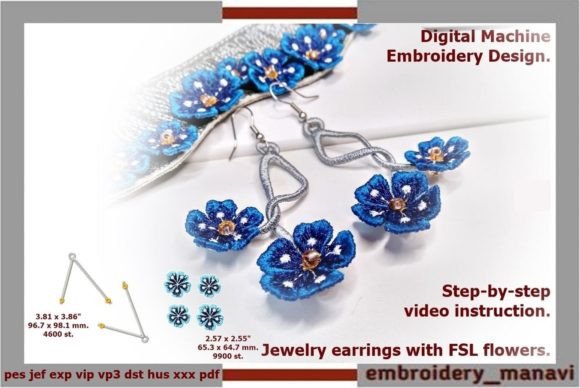
As an embroidery designer who has spent years translating digital concepts into tangible, stitched assets for small businesses, I approach every new embroidery file with a critical eye. We aren’t just looking for pretty flowers; we are looking for versatility, durability, and brand alignment. Today, I am reviewing the ITH FSL Flowers Jewelry design. This piece falls squarely into the Accessories category and utilizes Free Standing Lace (FSL) technology within the Embroidery medium. But does it hold up as a viable asset for commercial merchandise, branded patches, and high-end custom apparel?
First Impressions: Aesthetic and Visual Personality
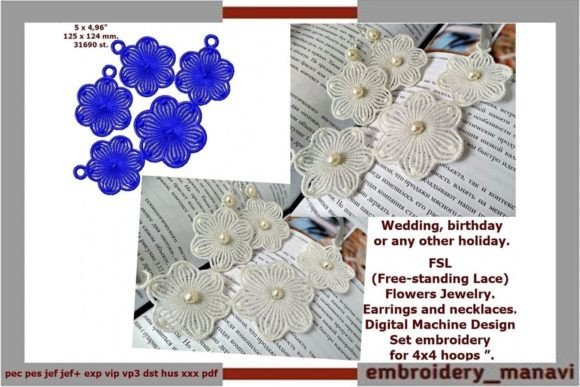
When you first load the ITH FSL Flowers Jewelry file into your digitizing software, the immediate takeaway is its delicate, airy nature. Unlike traditional satin-stitch logos that sit heavily on the fabric, this design relies on the structural integrity of the stitch work itself to stand alone. The aesthetic leans toward elegant, modern, and slightly rustic—perfect for brands that want to convey a sense of handmade craftsmanship without appearing overly ornate.
The floral motifs suggest a soft, feminine touch, but because it is free-standing lace, it lacks the rigid backing of a standard patch. This gives it a premium feel. It looks less like a logo slapped onto a shirt and more like an integrated part of the garment or accessory. For a boutique clothing line, a florist’s packaging, or a high-end jewelry brand, this visual personality strikes the right balance between professional polish and artistic flair. It feels light, breathable, and sophisticated.
Real-World Business Applications
So, where does ITH FSL Flowers Jewelry shine in a commercial setting? Because it is an FSL design, it can be detached from the stabilizer once finished, allowing for incredible flexibility in application.
- Branded Patches and Accents: While not a traditional backed patch, this design can be used as a standalone embroidered accent. Imagine a small floral cluster stitched directly onto the chest of a linen work shirt for a café staff uniform. It adds a unique identifier without the bulk of a sewn-on patch.
- Tote Bag Design: For Etsy sellers and craft business owners, tote bags are a staple. Using ITH FSL Flowers Jewelry on a canvas tote allows the lace structure to peek through or rest lightly on the surface. It elevates a basic commodity into a luxury item, increasing the perceived value of the small business merch.
- Cap Embroidery: This design works beautifully on caps, particularly when placed on the side panel or as a rear detail. The lightweight nature of FSL prevents the heavy sagging that can occur with dense satin stitches on curved surfaces like hats.
- Apron Embroidery: For bakeries or artisanal food brands, adding a delicate floral element to a denim or cotton apron signals attention to detail. It suggests that the care put into the product matches the care put into the branding.
- Product Packaging Accents: One of the most innovative uses for FSL designs is in packaging. You can stitch these flowers onto tissue paper or cardstock inserts included with customer gifts. It turns unboxing into an experience, reinforcing brand identity through tactile engagement.
- Custom Apparel Details: Use it as a sleeve cuff detail, a collar embellishment, or even as a decorative element on the hem of a dress. It transforms generic garments into custom apparel pieces that justify a higher price point.
Where to Exercise Caution
While ITH FSL Flowers Jewelry is versatile, it is not a one-size-fits-all solution. As a designer, I must warn you about specific limitations where this design might fail if applied incorrectly.
- Small Patch Sizes: If you attempt to reduce this design to a very small size (under 2 inches), the intricate details may merge together. The negative space that gives FSL its charm will disappear, resulting in a muddy, illegible blob. Always test at the intended final size.
- High Stitch Density Areas: Ensure the design does not have excessive density in small areas. If the thread buildup is too thick, the lace structure may become stiff and lose its delicate appearance, making it uncomfortable for wearers.
- Fabric Texture Compatibility: This design requires a stable base during stitching. On highly textured fabrics like chunky knits or loose-weave burlap, the needle penetration can cause distortion. It performs best on smooth, tightly woven fabrics like cotton, linen, or synthetic blends.
- Dark Uniforms and Contrast: Since FSL relies on the outline of the thread to define the shape, low contrast between the thread color and the fabric can make the design invisible. On dark uniforms, you will need bright or metallic threads to ensure the design assets remain visible.
- Items Requiring Frequent Washing: Because FSL items are not backed with felt or foam, they can be prone to fraying if the edge finishing is not done correctly. For items like aprons or work shirts that go through industrial washes, consider applying a clear stabilizer spray or carefully trimming excess stabilizer to prevent snagging.
Impact on Brand Identity and Customer Trust
In the world of commercial embroidery, consistency is key. Using a high-quality, well-digitized design like ITH FSL Flowers Jewelry signals to your customers that you care about quality. It moves your brand away from mass-produced, generic goods and toward a curated, artisanal image.
When a customer sees a beautifully executed floral lace detail on a tote bag or a cap, it creates a moment of delight. This emotional connection fosters customer trust and recognition. It suggests that your brand values aesthetics and craftsmanship. Furthermore, because the design is unique and not a standard clip-art logo, it helps differentiate your products in a crowded marketplace like Etsy or Amazon Handmade. It enhances product value by adding a layer of complexity and artistry that cannot be easily replicated by cheap printing methods.
Practical Designer Notes for Production
Before you commit to running large batches of ITH FSL Flowers Jewelry for your clients, follow these essential steps to ensure success.
- Test in Black and White: Convert the design to monochrome in your software. This helps you see the true structure and spacing of the stitches without the distraction of color choices. It reveals if there are any gaps or overlaps that need correction.
- Check Thread Color Contrast: Select thread colors that provide maximum contrast against your target fabric. Experiment with variegated threads for a playful look or solid metallics for a premium finish.
- Confirm Hoop Size: Verify that the design fits comfortably within your machine’s hoop dimensions. If the design is large, you may need to split the file or use a multi-head machine.
- Use Proper Stabilizer: FSL designs require temporary stabilizer to hold the fabric taut during stitching. Choose a cut-away or tear-away stabilizer based on the fabric weight. Test different types to see which provides the cleanest release after stitching.
- Create a Printable Mockup: Before producing physical samples, create a printable mockup to show clients how the design will look on their specific products. This manages expectations and speeds up the approval process.
- Inspect Spacing and Outlines: Zoom in on the digitized file. Are the outlines crisp? Is the spacing consistent? Poor digitizing leads to tangled needles and ruined fabric.
- Confirm Commercial Licensing: Most importantly, check the license terms associated with the digital embroidery file. Ensure you have the right to use the design for commercial purposes, such as selling finished goods. Do not assume permission; verify it to avoid legal issues.
By following these guidelines, you can leverage ITH FSL Flowers Jewelry to create stunning, high-value merchandise that resonates with your audience. It is a tool that, when used wisely, can transform simple accessories into memorable brand experiences.