Rose Flowers Embroidery Design Review
As an embroidery designer who spends hours tweaking digitizing files and testing stitch patterns, I am always on the lookout for designs that balance aesthetic charm with technical reliability. When browsing Creative Fabrica embroidery collections for my next boutique apparel drop, I stumbled upon a file titled Rose Flowers. Categorized under Bouquets Bunches and labeled as an Embroidery product, this design caught my eye not just for its visual appeal, but for its potential versatility across a range of garments. In this review, I will break down how this machine embroidery design might perform in real-world applications, specifically for sweatshirt embroidery, hoodie design, and custom apparel projects.
First Impressions: Visual Mood and Personality
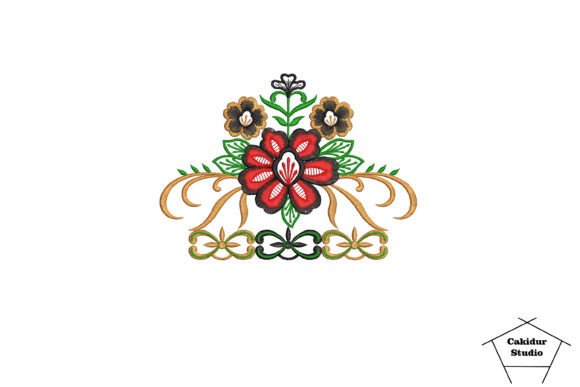
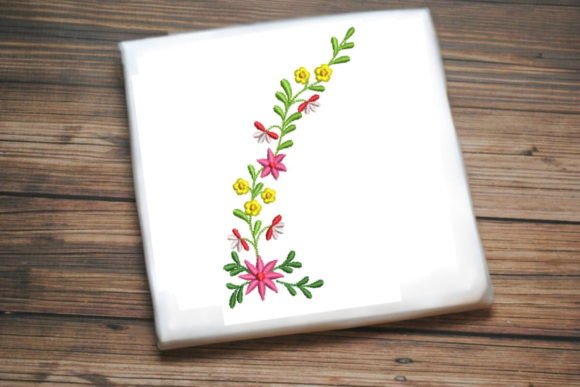
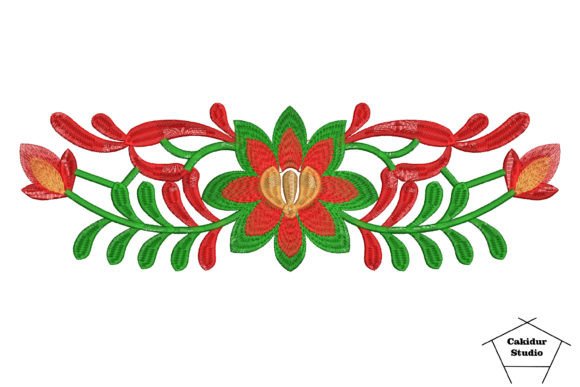
The first thing you notice about Rose Flowers is its inherent femininity paired with a touch of rustic elegance. It does not scream for attention with neon threads or overly complex geometric shapes; instead, it offers a classic, timeless vibe that fits perfectly into current trends favoring soft, organic aesthetics. The design feels premium without being stiff. It has a decorative strength that suggests quality, making it suitable for both casual wear and more polished boutique brand items.
For designers looking to create a cohesive collection, the mood of this embroidery file is versatile. It can read as cute and playful if stitched with pastel thread colors, or it can appear bold and sophisticated when contrasted against dark fabrics. This adaptability is crucial for small shop owners who want to maximize the utility of their digital inventory. Whether you are aiming for a minimal look or a fuller, garden-inspired aesthetic, Rose Flowers provides a solid foundation for your creative vision.
Application on Apparel and Accessories
One of the primary reasons I evaluate these designs is their performance on specific garment types. Here is how I envision Rose Flowers translating to finished products:
- Sweatshirt Embroidery: This design shines on neutral-colored sweatshirts. The texture of the fleece provides a perfect backdrop for the floral details, allowing the stitching to pop without getting lost in the fabric grain. It works exceptionally well for oversized garments, where a centered chest placement or a slightly off-center pocket design adds a curated, handmade touch.
- Hoodie Design: For hoodies, Rose Flowers offers flexibility. While a traditional chest placement is safe, I recommend experimenting with sleeve accents or back designs. A smaller version on the cuff or a larger arrangement on the lower back can elevate a basic hoodie into a statement piece for lifestyle product photos.
- T-Shirt Embroidery: On cotton tees, the design brings a level of professionalism that screen printing sometimes lacks. It adds weight and dimension to the garment, increasing perceived value. It is particularly effective on pastel hoodies and t-shirts, where the softness of the flower complements the light fabric tones.
- Denim Jackets and Tote Bags: Denim provides a rugged contrast to the delicate nature of roses. Stitching this onto a denim jacket creates a beautiful juxtaposition of hard and soft. Similarly, for tote bag design, the floral motif adds a cheerful, artisanal feel that appeals to shoppers looking for unique accessories.
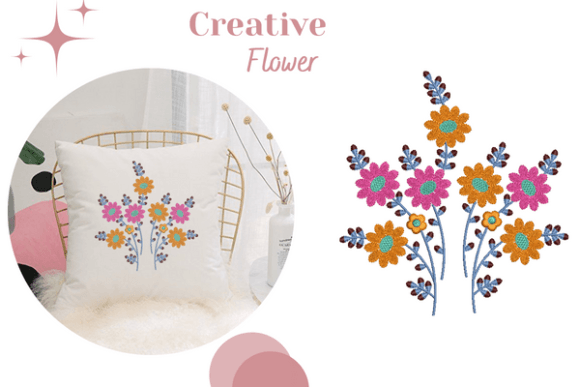
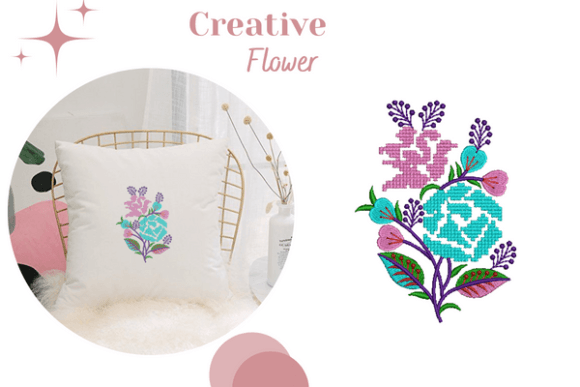
- Boutique Merchandise: Beyond clothing, this embroidery file is ideal for home decor items like pillows and towels. The colorful look it imparts makes it a strong candidate for gift sets, which are popular among Etsy sellers during holiday seasons.
Strategic Placement and Technical Considerations
While the design is visually appealing, successful execution depends on strategic placement and understanding fabric behavior. As an experienced designer, I advise caution in certain areas:
- Small Chest Placement: If you plan to use a very small version of Rose Flowers on the upper left chest, ensure your hoop size accommodates the detail. Tiny lettering or intricate petal details may blur if the scale is too reduced. Always inspect stitch density closely at smaller sizes.
- Dense Stitch Areas: Check the stitch density before finalizing your production run. Dense areas can cause puckering on lightweight fabrics. If you are working with stretchy fabric or fleece, use a high-quality stabilizer to prevent distortion.
- Fabric Texture and Stretch: Ribbed fabric and highly elastic materials require careful testing. The tension of the embroidery thread can react differently to these surfaces. Test on scrap fabric first to confirm how the design holds up after washing and stretching.
- Curved Surfaces: Embroidering on curved surfaces, such as the shoulder seam of a hoodie or the body of a cap, requires advanced hooping techniques. Ensure your machine setup allows for precise alignment on these difficult angles.
- Dark Garments: When using dark garments, thread color contrast is paramount. Lighter thread colors will stand out vividly, but you may need to adjust the underlay stitches to ensure the design sits flat against the dark background.
Impact on Brand Identity and Product Value
In the world of handmade products and commercial embroidery, presentation is everything. Using a well-crafted design like Rose Flowers directly affects buyer trust and product recognition. A professionally embroidered item signals quality and care, which can justify a higher price point compared to printed alternatives.
For Etsy sellers and digital sellers, having a library of versatile designs allows for consistent branding. You can use Rose Flowers across different product lines—apparel, bags, and home goods—creating a recognizable visual language for your boutique brand. This visual consistency helps customers identify your work instantly, fostering engagement and repeat business.
Furthermore, the ability to create printable mockups featuring this design allows you to market your products before they are even produced. High-quality visuals of Rose Flowers on various garments can drive traffic to your online store and improve conversion rates by showcasing the tactile appeal of embroidery.
Practical Designer Notes for Production
Before adding Rose Flowers to your production queue, keep these practical steps in mind:
- Test on Scrap Fabric: Never skip this step. Test the design on the exact fabric you plan to use for the final product to check for color fastness and stitch integrity.
- Check Stabilizer Choice: Different fabrics require different stabilizers (cut-away, tear-away, or wash-away). Choosing the wrong type can lead to poor results.
- Review Thread Color Contrast: Experiment with various thread colors to see which combinations best highlight the design’s features. Compare placement options to find the most flattering spot on the garment.
- Confirm Hoop Size: Ensure your embroidery machine’s hoop size matches the dimensions of the design. If the design is large, you may need to split it or use a multi-needle machine for efficiency.
- Inspect Stitch Density: Look for any overly dense areas that might cause needle breaks or fabric damage, especially on delicate materials.
- Verify Licensing: Always check Creative Fabrica product details and licensing terms before selling finished apparel. Understanding the commercial rights ensures you can profit from your custom apparel creations without legal issues.
In conclusion, Rose Flowers is a strong addition to any embroidery designer’s toolkit. Its blend of classic beauty and modern versatility makes it suitable for a wide array of projects, from cozy seasonal outfits to trendy streetwear. By paying attention to technical details and strategic placement, you can transform this simple digital embroidery file into a standout feature of your boutique collection.