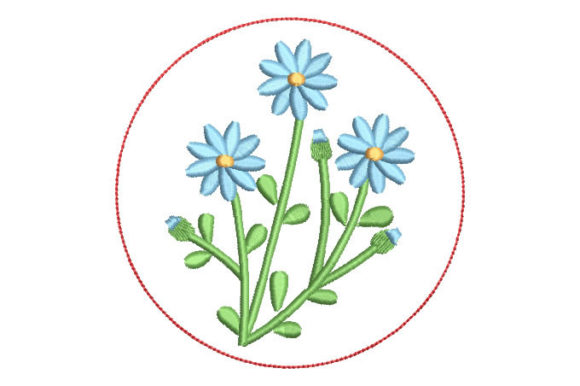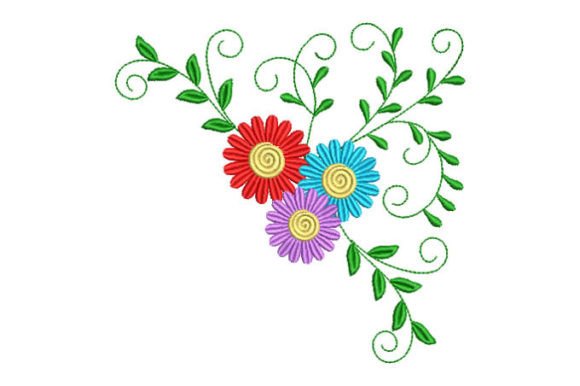
Three Color Flowers with Leaves
As an embroidery designer who spends weekends hunched over a table at craft fairs, I know that the difference between a design that sits on the shelf and one that flies off it often comes down to visual impact and practical application. When I first reviewed the Three Color Flowers with Leaves machine embroidery design, my immediate reaction was one of cautious optimism. The title suggests a classic, perhaps slightly rustic or farmhouse aesthetic, which remains a staple in the handmade market. However, for any Etsy seller or boutique maker, the true test is not just how the design looks in a digital preview, but how it performs when stitched onto physical goods under bright booth lights.
This review focuses on the real-world viability of this design for your weekend craft fair booth. We are looking beyond the aesthetics to discuss production efficiency, customer engagement, and product value. If you are planning to turn this into a craft fair product, here is what you need to consider before loading the hoop.
First Impressions and Visual Appeal
The concept of "Three Color Flowers with Leaves" implies a balanced composition. In the world of embroidery file analysis, color count is a critical factor for both cost and speed. A three-color palette keeps thread changes manageable, which reduces production time per unit—a crucial metric when you are trying to restock your booth quickly. Visually, this design likely strikes a balance between being decorative enough to catch the eye from across the aisle, yet simple enough to be recognizable as a high-quality handmade product.
For customers browsing a crowded market, clarity is king. Does the design read well from three feet away? Floral motifs generally perform well because they trigger an emotional response associated with nature, spring, and home comfort. This specific arrangement fits comfortably within the Bouquets Bunches category, suggesting a clustered, organic feel rather than a rigid, geometric pattern. This organic quality makes it versatile for various Embroidery applications, ranging from soft home goods to structured apparel accessories.
Product Applications and Market Fit
To maximize sales, you must match the design to the right substrate. Here is how Three Color Flowers with Leaves translates across popular craft fair items:
- Tote Bag Design: Canvas tote bags are the bread and butter of the handmade market. A floral design placed centrally or on the front pocket offers excellent visibility. The contrast of dark threads on natural canvas or white cotton will make the flowers pop. Ensure the design scales correctly so it does not look lost on a large bag or overwhelming a small one.
- Apron Embroidery: For kitchen-focused buyers, placing this design on the bib of a linen apron adds a touch of charm. It signals that the item is both functional and aesthetically pleasing. This is a strong gift item for housewarmings or holidays.
- Tea Towel Embroidery: Tea towels are low-cost impulse buys. A smaller version of this design works perfectly here. The key is ensuring the stitch density is appropriate for cotton fabric so the towel remains soft and usable after washing.
- Embellished Patches and Caps: Transferring this motif to a patch allows for versatility, enabling customers to add their own flair to denim jackets or backpacks. On caps, the curved surface can distort circular designs, so check the placement carefully to ensure the leaves do not stretch unnaturally.
- Pillow Covers and Home Decor: Larger formats allow the details of the leaves and petals to shine. This elevates the perceived value of the item, allowing you to price it higher as a premium home decor piece.
Production Practicality and Quality Control
From a production standpoint, every minute counts. You need to evaluate the stitch density of the design. High-density areas can cause puckering, especially on lightweight fabrics like tea towels or thin cotton blends. If the design has large solid fills, it may feel stiff to the touch, which can deter buyers looking for soft, tactile products.
Another critical factor is the hoop size. Before committing to bulk production, confirm the maximum dimensions of the design. If it requires a large hoop, your turnaround time will increase, and you may be limited to larger items like duvet covers or large wall hangings, which have a narrower market at craft fairs compared to wearable or carryable goods.
When photographing your finished pieces for online listings or social media, the lighting will reveal the texture of the stitches. A well-executed commercial embroidery job should have clean edges and no visible backing showing through. Use the right stabilizer—cut-away for knits and stretchy fabrics, tear-away for wovens—to maintain the integrity of the design. Creating a printable mockup can help you visualize the final result, but nothing beats seeing the actual thread colors against the fabric.
Color Contrast and Fabric Texture
The success of a multi-color design often hinges on contrast. Dark fabrics can swallow up lighter thread colors, while light fabrics might wash out pastel threads. Test your Three Color Flowers with Leaves on at least three different fabric swatches: a neutral (cream/white), a dark (navy/black), and a textured option (like burlap or heavy linen). This helps you determine which combinations offer the best visual appeal and which might lose detail due to the fabric texture.
Be wary of tiny details. If the leaves or flower centers are too small, they may merge together during stitching, resulting in a muddy appearance. For a small shop product to stand out, it needs crisp definition. If the design includes any text or very fine lines, inspect them closely. Tiny lettering is notoriously difficult to read on small items and can frustrate customers.
Strategic Selling Points
When setting up your booth, use this design to tell a story. Highlight the handmade quality by displaying your process or showing close-ups of the stitch work. Customers are increasingly interested in the "why" behind a purchase. Explaining that the design is optimized for durability and beauty can justify a higher price point.
Consider bundling products. Pair a matching set of embroidered tea towels with an apron, or create a gift box containing a tote bag and a small pouch featuring the same floral motif. This increases the average transaction value and encourages buyers to take advantage of the cohesive look. For digital sellers or those offering custom services, having this design in your portfolio demonstrates versatility and artistic skill.
Essential Pre-Production Checklist
Before you rush to produce inventory, run through this quick checklist to ensure professionalism:
- Test Stitch-Out: Always embroider a test sample on scrap fabric. Check for tension issues, thread breaks, and alignment.
- Verify Licensing: Confirm commercial licensing terms. Just because you bought the digital embroidery file does not automatically grant you the right to sell unlimited quantities of finished goods. Read the license agreement carefully.
- Check File Format: Ensure the file is compatible with your machine. While many machines accept standard formats, proprietary files may require conversion.
- Inspect Thread Colors: Compare the digital thread colors to your actual spools. Screen colors can be misleading. Adjust if necessary to ensure the three colors complement each other as intended.
- Create Mockups: Use the design assets to create realistic previews for your Etsy listing or website. Good visuals drive clicks and conversions.
In conclusion, Three Color Flowers with Leaves has the potential to be a strong seller in the handmade market, provided it is executed with care. Its versatility across multiple product types—from tote bags to pillow covers—makes it a valuable addition to your design library. By focusing on quality control, strategic product pairing, and clear communication of its handmade value, you can turn this design into a reliable revenue stream for your craft fair booth or online store. Remember, the goal is not just to sell a product, but to deliver a piece of art that customers feel proud to own and display.