Blue Crochet Embroidery Digital Papers Review
As an embroidery designer who spends weekends hunched over my machine and Sundays packing booths for local craft fairs, I am always hunting for that perfect intersection of aesthetic appeal and production efficiency. You know the struggle: you want something that looks premium in person, photographs well on your phone for social media, and can be produced in batches without causing eye strain or mechanical headaches. Recently, I evaluated a set of Blue Crochet Embroidery Digital Papers to see if they would fit into my upcoming collection of handmade products. Here is my honest review from the perspective of someone who needs these designs to sell.
First Impressions and Visual Appeal
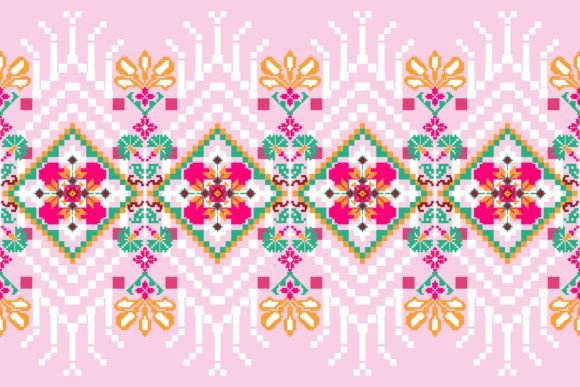
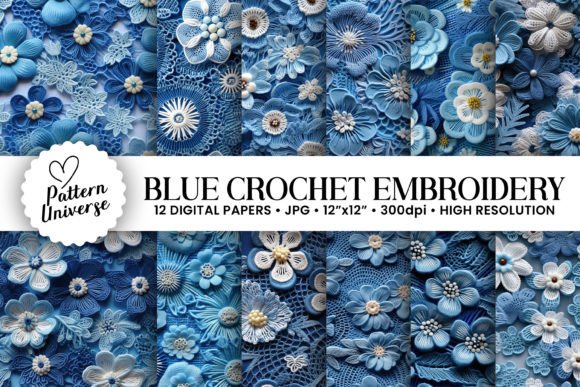
The title Blue Crochet Embroidery Digital Papers suggests a specific texture—a simulated hand-crocheted look rendered through digital graphics. For a craft fair seller, the immediate question is whether this translates to "high value" in the eyes of a customer. Based on the description of twelve seamless patterns featuring flowers, the visual mood leans toward elegant, soft, and potentially farmhouse or cottage-core aesthetics. Blue is a versatile color family; it can range from deep navy (classic, masculine, or nautical) to powder blue (soft, baby-friendly, or spring-like).
For a booth display, these designs offer a strong decorative element. The "seamless" nature of the patterns is crucial. It means you are not just getting a single motif but a repeating background texture. This allows for maximum coverage on items like tote bags or aprons, making the product feel substantial and fully designed rather than just a small logo slapped on fabric. The floral elements add a touch of femininity and freshness, which tends to perform exceptionally well with gift buyers looking for personal touches.
Product Application and Market Fit
So, where does a machine embroidery design or digital graphic like this shine? I tested the concept against several high-demand craft fair products:
- Tote Bag Design: A full-coverage print or large-scale embroidery of these blue crochet flowers on a canvas tote creates an instant statement piece. It elevates a basic accessory into a fashion item. The seamless pattern ensures there are no awkward gaps when the bag is carried.
- Apron Embroidery: Kitchen textiles are impulse buys at markets. Applying this design to the bib or pocket area of a linen apron adds a professional finish. The blue tones pair beautifully with white, cream, or light gray fabrics, reinforcing a clean, fresh kitchen vibe.
- Tea Towel Embroidery: Similar to aprons, tea towels benefit from the decorative nature of these patterns. If using the digital paper as a sublimation transfer or a printed backing for embroidery, the intricate flower details catch the eye from across the table.
- Embroidered Patch: For caps or denim jackets, isolating one of the floral motifs from the seamless pattern creates a chic, modern patch. It offers a more sophisticated alternative to standard novelty patches.
- Fabric Pouches and Pillow Covers: These smaller items allow for higher price points per square inch of design usage. The "digital paper" aspect allows for easy integration into printable mockups, helping you visualize the final finished product before cutting fabric.
Photography and Online Presence
For any Etsy seller or boutique maker, photography is half the sale. The contrast provided by the blue hues against neutral backgrounds makes for striking images. The repetitive nature of the seamless pattern allows for creative flat-lay compositions, filling the frame with texture and color. This helps in creating a cohesive brand identity across your design assets.
Production Practicality and Technical Considerations
While the aesthetic is promising, we must talk about production. Whether you are converting these digital papers into actual embroidery files or using them for printing, several factors dictate success.
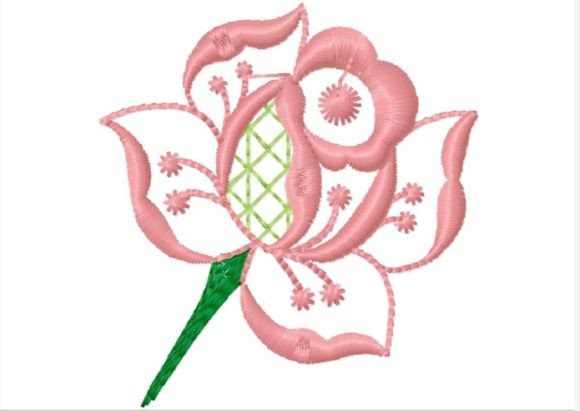
If you are digitizing these patterns for machine embroidery, pay close attention to stitch density. Crochet simulations often require dense stitching to mimic the thickness of yarn. If the stitch count is too high, the fabric may pucker, especially on lightweight cottons used for tea towel embroidery. Conversely, if the design relies on tiny details to sell the "crochet" illusion, ensure those details remain legible at your intended output size. Tiny stitches can get lost in the weave of textured fabrics.
Hoop size limitations are also a real-world constraint. Seamless patterns often exceed standard 4x4 or 5x7 hoops. You will need to plan for multi-hooping or larger commercial hoops. This affects your turnaround time. Batch production becomes difficult if every hoop change requires precise alignment. Test the registration marks carefully.
Material Compatibility
The choice of stabilizer is critical. For stable fabrics like denim for tote bags, cut-away stabilizer is recommended to prevent distortion. For stretchy knits or delicate linens, tear-away or wash-away options might be necessary, depending on the weight of the design. Always test on scrap fabric first. The interaction between the thread colors and the base fabric texture can vary significantly. A light blue on white will look different than a light blue on ecru. Adjust your thread colors accordingly to maintain the intended mood.
Strategic Selling Points
When displaying these items at a market, emphasize the versatility of the Patterns and Graphics. Highlight that the seamless nature allows for custom sizing—perfect for unique tumbler wraps or large pillow covers. This customization option can justify a higher price point. Additionally, the "digital" origin of the design assets allows for rapid prototyping. You can create printable mockups quickly to gauge interest before committing to bulk material purchases.
Consider bundling. A set of matching apron and tea towel sets featuring the same blue crochet floral theme appeals to customers buying gifts. It solves their problem of finding coordinated home goods. For commercial embroidery clients, these designs offer a way to add high-end decorative elements to plain goods without the cost of complex, multi-color digitization work if used as a print overlay.
Final Verdict for Craft Entrepreneurs
The Blue Crochet Embroidery Digital Papers represent a strong opportunity for sellers focusing on home decor, gifts, and apparel accessories. They hit the sweet spot of being visually detailed enough to feel premium but structured enough to be repeatable. However, success depends on execution. Do not skip the testing phase. Verify the hoop size requirements, inspect the stitch density for potential puckering, and confirm your commercial licensing terms before selling finished products. By treating these designs with the same rigor as any traditional digitized file, you can transform simple digital assets into best-selling handmade products that stand out in a crowded marketplace.