Dog Faux Embroidery Seamless Pattern
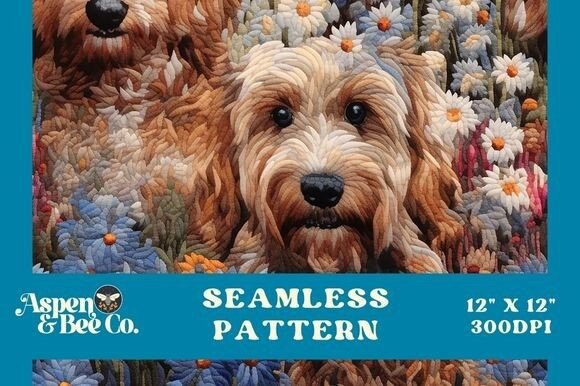
As an embroidery designer who spends weekends setting up booths at craft fairs and managing a busy handmade shop, I have learned that the difference between a design that sits on the shelf and one that sells out by noon often comes down to visual impact and practical application. When I first reviewed the Dog Faux Embroidery Seamless Pattern, my immediate reaction was one of delight mixed with strategic calculation. This is not just a graphic; it is a versatile asset that speaks directly to the heart of the modern maker market. Featuring adorable cockapoos adorned with flowers, this design captures a specific mood—soft, whimsical, and undeniably cute—that resonates deeply with customers looking for unique, handcrafted gifts.
The term "faux embroidery" in the title suggests a visual texture that mimics the look of real stitching without necessarily requiring complex digitization for every single element. For a seller, this is a massive advantage. It allows for high-impact visuals that feel premium while remaining efficient to produce. In this review, I will break down how this digital embroidery file can transform your booth inventory, from tote bags to tea towels, and what you need to consider before hitting the start button on your machine.
First Impressions: Mood and Market Appeal
When a customer walks past your table, they are scanning for color, texture, and emotion. The Dog Faux Embroidery Seamless Pattern hits all three notes effectively. The combination of the fluffy cockapoo silhouette with floral accents creates a natural aesthetic that fits perfectly into current trends like cottagecore, soft farmhouse, and botanical decor. It feels elegant yet approachable. Unlike bold, graphic designs that might appeal to a niche audience, this pattern has broad appeal. It works for dog lovers, flower enthusiasts, and anyone seeking a touch of warmth in their home goods.
Because it is a seamless pattern, the visual rhythm is consistent and pleasing to the eye. This repetition creates a sense of abundance and luxury, making products feel more substantial. Whether used as an all-over print or a focused motif, the design commands attention. It feels decorative without being cluttered, which is crucial for maintaining a clean, professional brand image in your Etsy listings and physical displays.
Product Versatility: Where This Design Shines
In my experience, the best machine embroidery design assets are those that can be applied across multiple product categories. This pattern is exceptionally adaptable. Here is how it performs on key craft fair staples:
- Tote Bag Design Potential: A canvas tote bag is the holy grail of craft fair sales. The seamless nature of this pattern allows it to cover the entire front or back of a bag, creating a statement piece. The floral-dog motif adds a playful personality to a utilitarian item, making it an impulse buy for shoppers carrying their purchases home.
- Apron Embroidery and Kitchen Textiles: For kitchen towels and aprons, this design offers a charming focal point. Placing a repeating section of the pattern along the hem or border of an apron adds a sophisticated touch. It elevates a basic cotton apron into a giftable handmade product that stands out against generic store-bought alternatives.
- Embroidered Patch and Cap Applications: If you plan to create smaller items like embroidered patches or cap fronts, you can isolate specific elements of the seamless pattern. A single cockapoo head surrounded by a ring of flowers makes for a perfect patch size. This versatility means you can use one digital asset to create both large-scale home goods and small, affordable accessories.
- Pillow Covers and Home Decor: Pillow covers are high-margin items. The soft, realistic essence of the design translates beautifully to fabric textures like linen or velvet. It adds a cozy, inviting vibe to living room decor, appealing to buyers looking to refresh their space for spring or summer.
Production Practicalities and Technical Considerations
While the visual appeal is strong, a savvy seller knows that production efficiency drives profit margins. Before committing to a full batch run, there are several technical factors to evaluate.
Stitch Density and Detail: The description mentions "intricately crafted" details. You must inspect the stitch density closely. Faux embroidery patterns often rely on satin stitches or dense fill areas to mimic thread texture. Ensure that these areas do not become too stiff on lightweight fabrics like thin cotton tees or delicate silk. Conversely, check that tiny details in the cockapoo’s face or flower petals are large enough to remain clear when stitched. Designs that lose clarity at smaller sizes can look muddy and cheap, hurting your brand reputation.
Fabric Texture and Contrast: The success of any embroidery file depends heavily on the background fabric. This pattern likely features light threads (whites, creams, pastels) to capture the "enchanting" and "soft" mood. Test this on dark fabrics carefully; you may need a heavy stabilizer and underlay stitches to prevent show-through. On textured fabrics like burlap or thick denim, ensure the design does not get lost in the weave. Always test on scrap fabric that matches your final product material.
Hoop Size and Spacing: Verify the recommended hoop size for the design. If you are using a standard 5x7 inch hoop, ensure the seamless repeat aligns correctly so that the pattern does not cut off awkwardly at the edges. Proper spacing is essential for a polished look. If the design requires frequent re-hooping to cover a large area like a tote bag, factor that time into your production cost.
Selling Strategy and Booth Display
How you present this crafter fair product matters as much as the product itself. Because the pattern is visually rich, it photographs exceptionally well. Use natural lighting to highlight the texture and colors in your printable mockups. Show the design on a variety of items to help customers visualize ownership. For example, display a tote bag next to a matching tea towel to demonstrate coordinate sets, which can increase average order value.
This design also lends itself well to gift-giving occasions. Market it as a perfect gift for dog moms, bridesmaids, or housewarmings. The "realistic" yet artistic style gives it a boutique feel, allowing you to price your items at a premium compared to mass-produced goods. Emphasize the handmade quality in your descriptions, noting the care taken in selecting fabrics and the precision of the digital design.
Essential Pre-Production Checklist
- Test on Scrap Fabric: Never skip this step. Check how the threads interact with your chosen fabric.
- Review Thread Colors: Ensure your thread palette matches the intended soft and floral aesthetic. Muted tones often work better than neon brights for this style.
- Confirm Commercial Licensing: Before selling finished products, verify that your license permits commercial use. This is critical for protecting your business.
- Create Real Mockups: Compare digital previews with actual stitched samples. Lighting and fabric drape can change how the design looks in person.
- Inspect Stabilizer Choice: Use the right stabilizer to prevent puckering, especially on seams and curved surfaces like caps.
The Dog Faux Embroidery Seamless Pattern is more than just a pretty picture; it is a strategic tool for expanding your creative inventory. Its blend of charm, versatility, and visual depth makes it a strong contender for boosting sales at craft fairs and online shops alike. By paying attention to the technical details and presenting it thoughtfully, you can turn this design asset into a standout collection that customers love.