Boho Flower Embroidery Review for Boutique Apparel
As an embroidery designer who spends most of my days balancing stitch density with aesthetic appeal, I am always on the lookout for designs that bridge the gap between machine embroidery design versatility and high-end boutique quality. When browsing Creative Fabrica for new assets to build out a seasonal collection, I recently came across the Boho Flower. It falls under the Single Flowers Plants category, but its potential extends far beyond simple botanical accents. This review explores how this embroidery file might perform in real-world applications, specifically for sweatshirt embroidery, hoodie design, and custom apparel projects.
First Impressions: Visual Mood and Personality
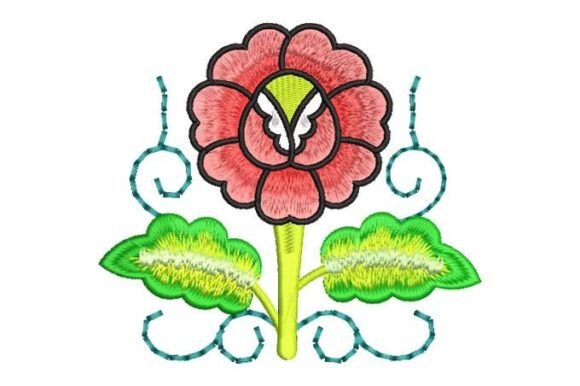
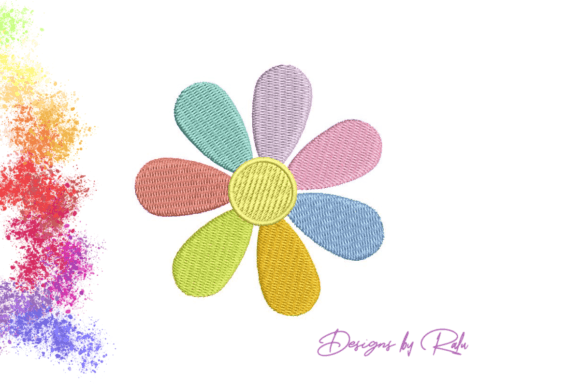
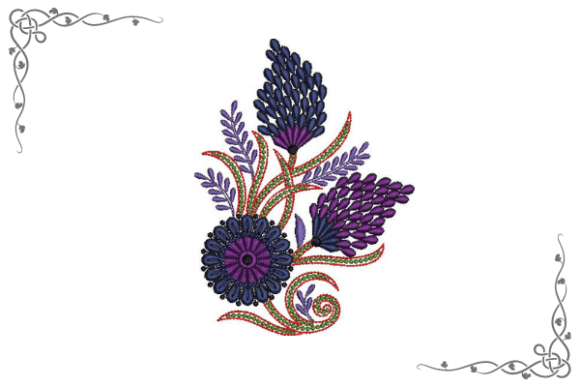
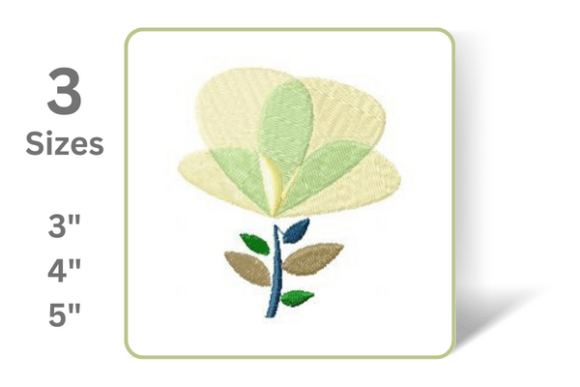
The moment you load the Boho Flower onto your hoop, the visual personality is immediately apparent. It carries a distinct "boho" energy—rustic yet refined, playful yet grounded. For a designer planning a collection, the mood is crucial. This design does not feel overly delicate or fragile; instead, it has a decorative strength that commands attention without overwhelming the garment. It strikes a balance between being cute and bold, making it suitable for a wide range of demographics.
In terms of detail level, the design offers enough intricacy to look premium when stitched correctly, but it avoids the trap of becoming too dense for certain fabrics. The stitching mood is soft and organic, which pairs beautifully with the current trend toward lifestyle product photos that emphasize comfort and authenticity. Whether you are aiming for a feminine, minimalist, or classic aesthetic, the Boho Flower adapts well. It feels like a staple piece that could anchor a larger graphic or stand alone as a statement accent on a chest pocket or sleeve.
Performance on Various Garments and Products
I have been testing the placement options for the Boho Flower with a specific goal in mind: creating a cohesive line of cozy seasonal outfits and casual wear. Here is how I envision it performing across different mediums:
- Sweatshirt Embroidery: This is perhaps the strongest use case. On neutral-colored sweatshirts, the flower adds a pop of color and texture that elevates the basic tee into a boutique brand item. The design’s organic lines complement the soft nap of cotton fleece perfectly.
- Hoodie Design: For hoodies, I see great potential in using the Boho Flower for back designs or large center-chest placements. It works especially well on pastel hoodies, where the contrast is gentle but visible. It also holds up well on dark garments if paired with high-contrast thread colors.
- T-Shirt Embroidery: While t-shirts can be tricky due to fabric stretch, the Boho Flower’s structure seems stable enough for lightweight knits, provided proper stabilizer is used. It adds a handcrafted touch that printed graphics often lack.
- Denim Jackets and Oversized Garments: Denim provides a sturdy base that can handle the stitch weight of this design. Placing the Boho Flower on the back yoke of a denim jacket or on the cuff of an oversized garment creates a unique, personalized look that resonates with Etsy sellers looking for unique handmade products.
- Tote Bags and Home Decor: Beyond apparel, this digital embroidery file translates beautifully to canvas tote bags. It also works for pillows and towels, adding a colorful look to home decor items that align with a bohemian interior style.
Strategic Placement and Careful Considerations
Not every spot on a garment is created equal. As a professional, I advise reviewing several factors before committing to production. The Boho Flower is versatile, but it requires strategic thinking to ensure the finished product looks polished.
Small Chest Placement: If you plan to place this design on the left chest area, ensure the scale is appropriate. A design that is too large can overwhelm the wearer’s frame, while one that is too small may lose its intricate details. Test the size against standard breast pockets to gauge proportion.
Dense Stitch Areas: Check the stitch density carefully. While the Boho Flower appears balanced, areas with heavy fill stitches may not lay flat on very stretchy fabrics or ribbed fabric. On these materials, the embroidery can pucker or distort, ruining the clean lines of the flower. Always inspect the stitch distribution to ensure there are no overly concentrated clusters that might cause puckering on fleece or knit materials.
Curved Surfaces: Embroidering on curved surfaces, such as the shoulder seam of a hoodie or the side of a hat, requires careful hooping. The natural curves of the flower may need to be adjusted mentally to follow the garment’s contour. If the design is rigid, it might look disjointed on a curve. However, given its organic nature, it likely flows well with natural body contours.
Fabric Texture and Dark Garments: On dark garments, thread color contrast becomes paramount. You will need to select bright or light threads to make the Boho Flower pop, or choose a darker tonal approach for a subtle, sophisticated look. Be mindful of fabric texture; highly textured fabrics like chunky knits can hide the finer details of the embroidery, so test on scrap fabric first to ensure the design remains legible.
Impact on Brand Identity and Product Value
For small shop product owners, the choice of embroidery design directly influences buyer trust and product recognition. Using a high-quality, well-balanced design like the Boho Flower signals professionalism. It suggests that you care about the tactile experience of your customer, not just the visual appearance in a digital listing.
Embroidery adds tangible value to custom apparel. A sweatshirt with a machine-embroidered Boho Flower feels more expensive and durable than one with a screen print. This perception of quality can justify higher price points and foster customer engagement through social media graphics. Customers love sharing photos of their purchases, and a well-executed embroidery project stands out in feeds, driving organic marketing for your commercial embroidery business.
Practical Designer Notes for Production
Before scaling up production, I strongly recommend following these practical steps to ensure success:
- Test on Scrap Fabric: Always run a test stitch-out on the same type of fabric you intend to sell. This helps you assess how the stabilizer interacts with the material and whether the thread tension needs adjustment.
- Check Stabilizer Choice: The right stabilizer is critical, especially for stretchy fabrics like jersey or fleece. Use a cut-away stabilizer for permanent support to prevent distortion during wear and washing.
- Review Thread Color Contrast: Experiment with different thread colors to find the perfect match for your target market. Pastel threads work well for spring/summer collections, while jewel tones suit autumn/winter lines.
- Confirm Hoop Size: Ensure the design fits within your machine’s maximum hoop size. If the design is large, you may need to reposition it or split it across multiple hoops, which can affect the final look.
- Inspect Stitch Density: Look closely at the digitization. Are there any unnecessary jumps or trims? Is the density appropriate for the fabric weight?
- Compare Placement Options: Try different placements on sample garments to see what looks best. Sometimes a slight shift in position can dramatically improve the aesthetic.
- Check Licensing: Before selling finished apparel, verify the Creative Fabrica product details and licensing terms. Ensure you have the commercial rights to produce and sell items made with the Boho Flower design.
In conclusion, the Boho Flower is a strong contender for any designer looking to add a touch of rustic elegance to their handmade product lineup. Its versatility, combined with its appealing visual mood, makes it a valuable asset for creating memorable finished product experiences. By paying attention to technical details and strategic placement, you can leverage this design to build a loyal customer base and elevate your brand identity in the competitive world of boutique apparel.