Shamrock Embroidery Design Review for Boutique Apparel
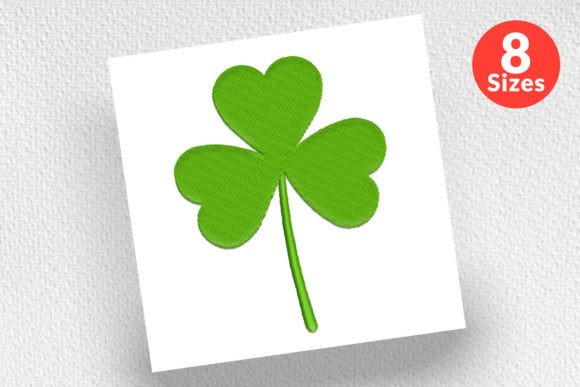
As an embroidery designer who spends most of my days balancing stitch density, thread tension, and visual impact, I am always looking for designs that offer versatility without sacrificing quality. When I first encountered the Shamrock design on Creative Fabrica, I was immediately drawn to its potential for seasonal collections. It is categorized under Single Flowers Plants, which suggests a singular, focused focal point rather than a cluttered bouquet. For boutique apparel and sweatshirt projects, this simplicity is often where the magic happens. This review explores how this machine embroidery design might perform when integrated into a curated line of custom apparel, from cozy hoodies to structured denim jackets.
First Impressions: Visual Personality and Mood
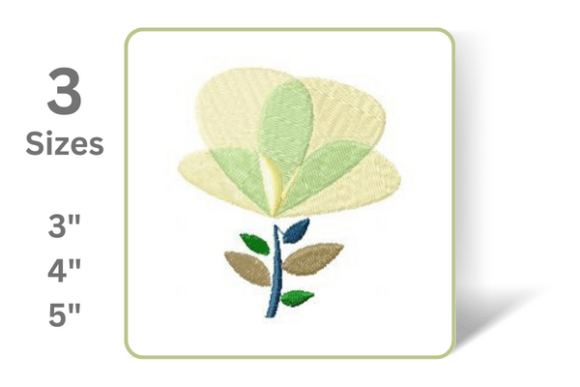
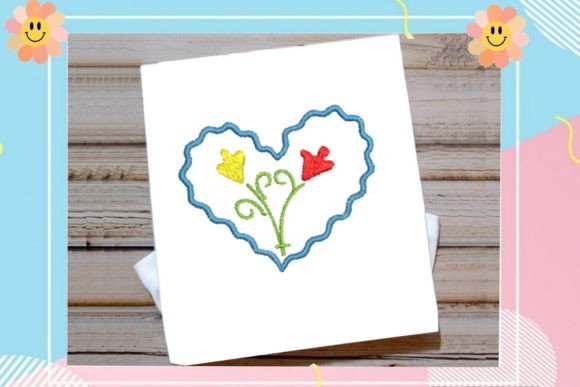
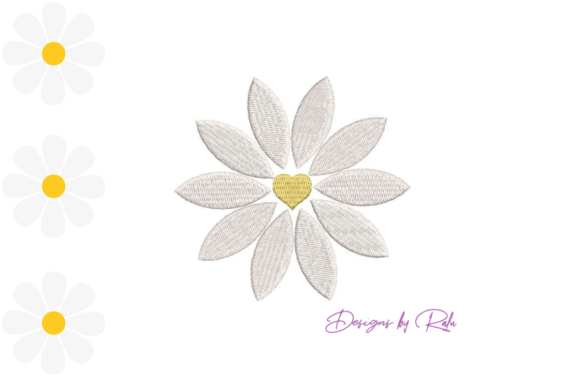
The Shamrock design exudes a cheerful, inviting energy. From a design perspective, it feels both classic and contemporary. The visual personality leans toward the playful yet refined, making it suitable for a wide range of brand identities. Whether you are aiming for a rustic, earthy aesthetic or a clean, modern look, this embroidery file provides a strong decorative strength without overwhelming the garment.
The detail level appears balanced. It is not so sparse that it looks unfinished, nor is it so dense that it creates a stiff, plastic-like feel on soft fabrics. This balance is crucial for sweatshirt embroidery, where the goal is often to enhance comfort while adding a touch of professionalism. The mood is undeniably positive, bringing a sense of springtime cheer that can elevate even the most neutral tones in your inventory.
Application on Various Garments
One of the strongest selling points of the Shamrock design is its adaptability across different fabric types and garment structures. Here is how I envision it performing in real-world production scenarios:
- Sweatshirt and Hoodie Chest Placement: Placing this design on the left chest of a crewneck sweatshirt offers a subtle, branded look. On pastel hoodies, the contrast between the soft fabric and the crisp embroidery lines creates a premium feel. It works particularly well on heather grey or oatmeal-colored blanks, allowing the thread colors to pop without being harsh.
- Back Designs and Oversized Fits: For oversized garments, a larger placement on the back can make a bold statement. The single-plant format allows for scaling without losing integrity, provided the stitch density remains consistent. This is ideal for lifestyle product photos where the back print adds depth to the image.
- Sleeve Accents: A smaller version of the shamrock on the cuff or upper sleeve adds a delightful surprise element. This tiny detail is perfect for Etsy sellers looking to add unique touches that encourage customer engagement and unboxing excitement.
- Denim Jackets and Tote Bags: Denim provides a sturdy base that handles embroidery beautifully. The Shamrock design would look fantastic centered on the back of a cropped denim jacket. Similarly, on canvas tote bags, it serves as a charming, functional piece of art that customers will want to use repeatedly.
- T-Shirts and Lightweight Fabrics: While lighter fabrics require careful stabilizer selection, the design’s likely moderate density makes it a viable option for high-quality cotton tees, especially for summer or St. Patrick’s Day collections.
Strategic Considerations for Apparel Decorators
When planning a collection, it is essential to think beyond just the visual appeal. How does the design affect the overall value of the product? Using a well-executed machine embroidery design like Shamrock can significantly enhance brand identity. It signals attention to detail and care, which builds buyer trust and professional presentation.
For small clothing brands and creative entrepreneurs, consistency is key. Incorporating this design into a cohesive color palette—perhaps using greens, golds, or monochromatic threads—can create a recognizable visual language. This visual consistency helps in social media graphics and printable mockups, making your listings stand out in a crowded marketplace.
Where to Use with Caution
While versatile, no design is universal. There are specific areas and fabric types where extra caution is required:
- Dense Stitch Areas: If the design has heavy fill stitches, avoid placing it on highly stretchy fabrics like thin jersey knits without proper support, as the fabric may pucker over time.
- Fleece and Ribbed Fabric: Fleece can hide fine details, and ribbed cuffs or collars present a curved surface that challenges hoop stability. Test these combinations thoroughly before mass production.
- Dark Garments: Ensure sufficient thread color contrast. Light green threads may get lost on dark navy or black apparel unless a backing or underlay stitch is used effectively.
- Curved Surfaces: Avoid placing flat, rigid-looking designs on highly curved areas like the shoulder seam unless the design itself is flexible or curved to match the garment’s anatomy.
Practical Designer Notes for Production
To ensure the highest quality finished product, I recommend following these practical steps before committing to a full run:
- Test on Scrap Fabric: Always embroider on a scrap piece of the same fabric you intend to use. This reveals how the material reacts to the needle and thread.
- Check Stabilizer Choice: The right stabilizer is non-negotiable. For sweatshirts, a cut-away stabilizer is often preferred for durability, while tear-away may suffice for lightweight woven fabrics.
- Review Thread Color Contrast: Select thread colors that complement the garment. Experimenting with metallic or variegated threads can add a trendy twist to the classic shamrock motif.
- Confirm Hoop Size: Verify that the design fits within your standard hoop sizes. If the design is large, ensure your machine can accommodate it or plan for multi-hooping.
- Inspect Stitch Density: High density can cause stiffness. Inspect the digital file (if possible) or the test sample to ensure the stitches are not too tight for the intended fabric weight.
- Compare Placement Options: Try different placements on the garment mockup. Sometimes moving a design two inches to the right can dramatically improve the visual balance.
Licensing and Commercial Use
Before selling any finished apparel, it is critical to review the licensing terms associated with the Shamrock design on Creative Fabrica. Understanding whether the license allows for unlimited commercial use or restricts the number of sold items protects your business legally. Always confirm these details directly from the product page to ensure compliance.
Final Thoughts
The Shamrock embroidery design from Creative Fabrica is a strong candidate for boutique apparel collections. Its cheerful aesthetic, combined with its likely versatility across multiple formats, makes it a valuable asset for digital embroidery file libraries. Whether you are creating a limited-edition St. Patrick’s Day drop or year-round casual wear, this design offers the decorative strength needed to attract customers. By testing carefully and considering fabric properties, you can transform this simple plant motif into a standout feature of your handmade products. For Etsy sellers and small shop owners, it represents a low-risk, high-reward addition to your catalog, promising to bring some cheer to your fabrics and your bottom line.