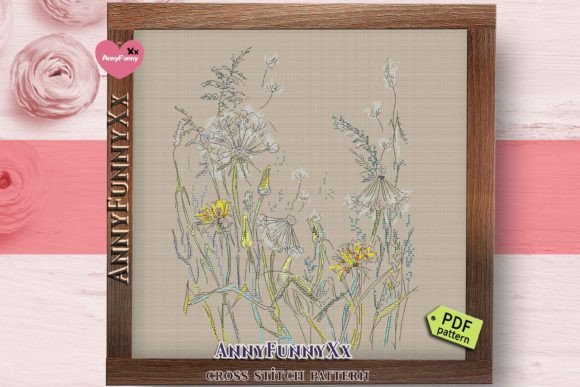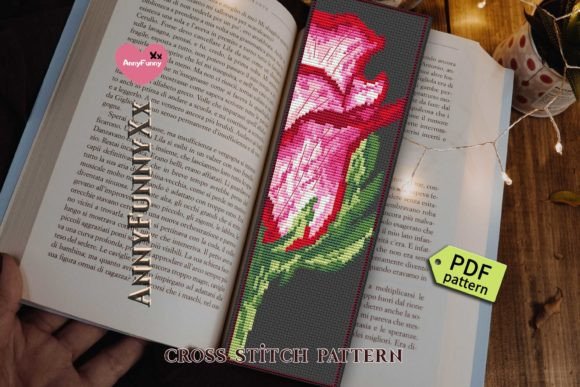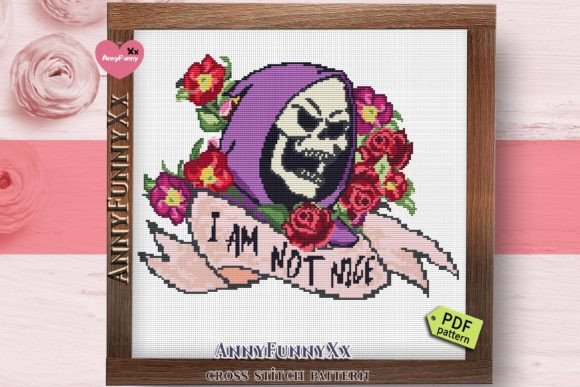
Cat and Flowers Counted Cross Stitch PDF Review
As an embroidery designer who spends countless hours planning seasonal collections, I am always on the lookout for designs that balance aesthetic charm with commercial viability. When I first reviewed the Cat and Flowers Counted Cross Stitch PDF, my immediate reaction was one of quiet appreciation for its versatility. This isn't just a pattern; it is a foundational asset for any Etsy seller or small business owner looking to capitalize on the emotional resonance of holiday shopping. The combination of feline companionship and floral elegance creates a mood that is inherently cozy, nostalgic, and universally appealing. In this review, I will break down how this digital embroidery file fits into real-world product strategies, from limited-edition apparel to heartfelt handmade gifts.
The Seasonal Mood and Emotional Appeal
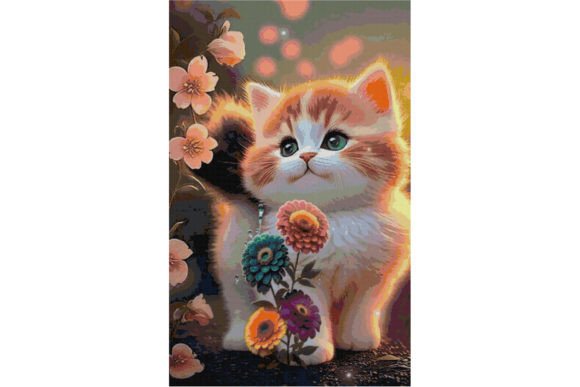
The first impression of Cat and Flowers Counted Cross Stitch PDF is defined by its warm, inviting atmosphere. Whether you are designing for spring Easter baskets, summer garden parties, or autumn harvest decor, the imagery of cats nestled among blooms strikes a chord that transcends specific dates. It feels both rustic and modern, cute yet sophisticated. For holiday shoppers, this design taps into the growing trend of "comfort decor." People want their homes—and their belongings—to feel like a hug.
This emotional tone is crucial for conversion. When a customer sees a finished product featuring this chart, they don't just see a cat; they see companionship, warmth, and a touch of whimsy. This makes it an ideal candidate for personalized gift markets. Imagine a mother buying a matching set for herself and her daughter, or a pet lover selecting a unique ornament for a grandmother who adores animals. The design’s gentle aesthetic builds trust and engagement, encouraging buyers to add the item to their cart not just out of necessity, but out of desire.
Real-World Product Applications
One of the strongest selling points of this Cross Stitch Patterns graphic is its adaptability across various mediums. Because the chart is designed for 14-count fabric and features large, easy-to-read sections, it translates beautifully onto different substrates. Here is how I envision this design performing in a seasonal shop collection:
- Sweatshirt Embroidery: A classic crewneck sweatshirt featuring this motif becomes an instant bestseller. The soft cotton blend provides a perfect canvas for the stitch density of the flowers and the smooth lines of the cat, creating a premium look that appeals to young adults and teens.
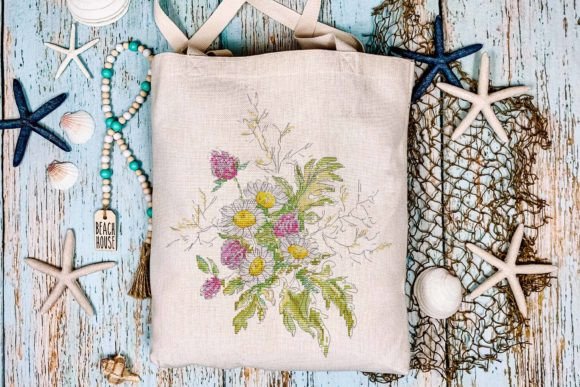
- Tote Bag Design: Canvas tote bags are staples for craft fairs and everyday use. Placing this design on a sturdy canvas bag offers high visibility and durability. It serves as a walking advertisement for your brand, especially when paired with neutral thread colors that let the design pop.
- Kitchen Towel Embroidery: There is a huge market for farmhouse-style kitchen accessories. This design works wonderfully on white or cream linen towels, adding a splash of color and personality to holiday gatherings and family dinners.
- Pillow Cover Accents: For home decor enthusiasts, a square pillow cover featuring a centered or corner-placed version of this chart adds texture and depth. It pairs well with velvet or chenille fabrics for a luxurious feel during colder months.
- Embroidered Patch: Creating a detachable patch allows customers to customize their own jackets, backpacks, or hats. This flexibility increases the perceived value of your small shop product.
- Baby Items and Aprons: The gentle nature of the subject matter makes it safe and appealing for baby blankets, bibs, and children’s aprons. It also fits seamlessly into romantic or spiritual themes if styled with appropriate surrounding elements.
Strategic Selling Opportunities
In the competitive landscape of online marketplaces, visual storytelling is key. This design lends itself perfectly to social media previews and printable mockup strategies. You can create a cohesive campaign around "Cozy Seasons" or "Feline Friends," showcasing the same design on different products to demonstrate versatility.
Consider bundling this embroidery file with complementary items. For example, offer a "Holiday Gift Bundle" that includes a printed version of the chart for DIYers, alongside a pre-made embroidered tote bag for those who prefer ready-to-gift options. This approach caters to both the crafter demographic and the busy shopper, maximizing your reach. Furthermore, because the chart is provided as a PDF, you can easily create digital marketing assets, such as Pinterest pins or Instagram stories, showing close-ups of the stitch work without needing expensive photoshoots.
Technical Considerations and Careful Usage
While the potential is high, a professional designer knows that execution matters. There are specific scenarios where this design requires careful handling to ensure customer satisfaction.
First, consider the hoop size. While the chart is large and readable, attempting to stitch it on very small hoops may result in cramped stitching or lost detail. Always test the layout on your actual hoop before committing to production. Second, be mindful of thread colors. If you plan to use metallic threads for the flower accents to add sparkle, ensure your machine tension is adjusted accordingly to prevent tangling. Metallics can be finicky, especially on stretchy garments.
Another critical factor is the base material. Thick terry cloth towels or dark fabrics require specific stabilizers and thread choices to maintain clarity. On dark fabrics, you may need to use a lighter base fabric as an appliqué layer or choose high-contrast thread colors to ensure the design remains visible. Additionally, avoid placing intricate details on curved caps or highly textured fabrics where the fabric texture might obscure the fine lines of the cross-stitch effect. Finally, remember that this is a counted cross-stitch chart, not a direct machine embroidery digitization. If you are using a machine to simulate the look, pay close attention to stitch density to avoid puckering, particularly on lightweight fabrics.
Designer Notes for Success
To get the most out of the Cat and Flowers Counted Cross Stitch PDF, I recommend the following practical steps:
- Test Samples: Always stitch a sample on the exact fabric and thread you plan to sell. Check how the thread colors interact with the material under different lighting conditions.
- Stabilizer Selection: Use a cut-away stabilizer for knitwear like sweatshirts to prevent distortion, and a tear-away for woven items like tote bags.
- Commercial Licensing: Before listing any finished products, double-check the license terms included with the PDF. Ensure you have the right to sell physical goods made from this digital embroidery file.
- Quality Control: Inspect every finished piece for loose threads and consistent tension. A flawless finish reinforces brand consistency and encourages positive reviews.
Conclusion
The Cat and Flowers Counted Cross Stitch PDF is more than just a pattern; it is a versatile tool for building a profitable seasonal collection. Its charming aesthetic, combined with its adaptability across various products, makes it a valuable addition to any commercial embroidery portfolio. By understanding its strengths and respecting its technical requirements, you can create beautiful, high-quality products that resonate with holiday shoppers and everyday crafters alike. Whether you are launching a new line of kitchen towel embroidery or expanding your range of handmade gift options, this design offers a reliable path to connecting with your audience through the timeless appeal of cats and flowers.