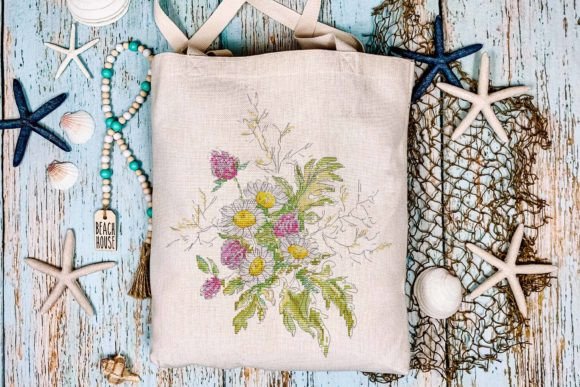
Red Clover with Chamomile Cross Stitch
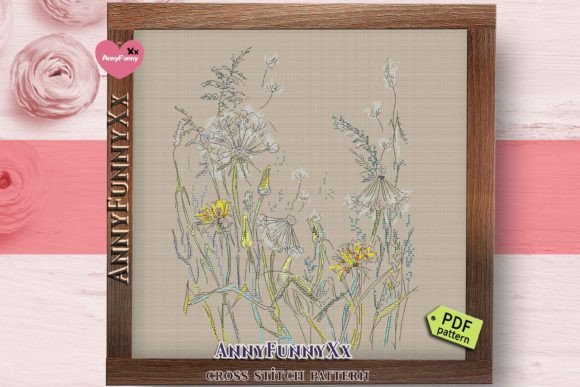
As an embroidery designer who has spent years translating digital concepts into tangible thread, I approach every new Cross Stitch Patterns submission with a critical eye. The goal is never just aesthetics; it is about viability for small business merch, brand consistency, and production efficiency. Today, I am reviewing the Red Clover with Chamomile Cross Stitch. Based on its title and description as a "Dandelion counted cross stitch pattern PDF" featuring "Wildflowers needlepoint embroidery flowers bouquets," this design falls squarely into the realm of rustic, botanical graphics. For owners of boutiques, bakeries, florists, or handmade brands, understanding how this specific aesthetic translates from a screen to a stitched reality is crucial before committing to production.
First Impressions: Aesthetic and Brand Alignment
The visual personality of Red Clover with Chamomile Cross Stitch suggests a warm, organic, and inviting tone. The combination of red clover and chamomile evokes feelings of nature, relaxation, and traditional craftsmanship. This makes it an excellent candidate for businesses that want to project a handmade product image rather than a mass-produced corporate look. If your brand identity relies on earthy tones, natural ingredients, or artisanal quality, this design aligns perfectly.
However, designers must recognize that "cross stitch style" implies a specific texture. Unlike smooth satin stitches used in modern corporate logos, cross stitch mimics the look of handwork. This adds character but requires careful consideration regarding the target demographic. It appeals strongly to customers who value tradition, comfort, and authenticity. It may feel less appropriate for high-tech startups or minimalist luxury brands seeking sleek, sharp lines. Instead, think of where you see this design working best: a local café’s apron, a florist’s tote bag, or a boutique’s gift tags.
Real-World Business Applications
When evaluating a digital embroidery file for commercial use, we must ask: where does it live? Here is how Red Clover with Chamomile Cross Stitch performs across various merchandise categories:
- Embroidered Patches: This design has strong potential as a standalone patch. The floral motif is self-contained enough to be bordered and applied to denim jackets, canvas bags, or hats. As an embroidered patch, it serves as a badge of affiliation for staff, signaling that they are part of a nature-loving team.
- Apron Embroidery: For cafes, bakeries, or craft studios, placing this design on the chest pocket or lower hem of a white or beige apron creates a professional yet friendly appearance. It softens the uniform without sacrificing cleanliness or professionalism.
- Tote Bag Design: A tote bag design featuring these wildflowers can become a walking advertisement. When customers carry your branded tote, the visible cross-stitch aesthetic reinforces the handmade, eco-friendly values of your brand.
- Cap Embroidery: On the front panel of a baseball cap or a structured bucket hat, this design offers a subtle branding opportunity. It is less aggressive than large text logos, making it ideal for lifestyle brands that prefer understated elegance.
- Product Packaging Accents: While not strictly apparel, small versions of this graphic can be printed on tags attached to goods. However, if you are looking for design assets that bridge the gap between print and stitch, having the original file allows for versatile application.
Strategic Considerations for Production
Not all designs translate equally well to different mediums. There are specific areas where Red Clover with Chamomile Cross Stitch requires caution to ensure a high-quality finished product.
Size and Detail Limitations: Cross stitch patterns rely on distinct blocks of color. If you attempt to reduce this design to a very small size, such as a tiny logo on a pen or a minute label inside a garment, the details will blur together. The individual "stitches" may disappear, resulting in a muddy blob rather than a recognizable flower. Always test the design at its intended final size.
Thread Color Contrast: The success of any machine embroidery design depends heavily on contrast. If you plan to embroider this on dark fabric, ensure the thread colors (likely greens, whites, and reds) stand out sufficiently against the background. Low contrast leads to a design that is difficult to see, diminishing its marketing value.
Fabric Texture and Stabilizer: Because cross stitch mimics a grid, it can sometimes distort on highly textured fabrics like raw linen or thick wool unless properly stabilized. Using the correct stabilizer is non-negotiable to prevent puckering. Additionally, items that require frequent washing, such as work uniforms or kitchen aprons, need durable stitching. Ensure the design density is sufficient to withstand laundering without losing its shape.
Impact on Brand Identity and Customer Trust
In the world of custom apparel and branded goods, consistency builds trust. Using a cohesive set of design assets helps customers recognize your brand instantly. Red Clover with Chamomile Cross Stitch contributes to a narrative of care and attention to detail. When a customer sees that you have invested time in selecting or creating unique, thematic embroidery for your products, it elevates the perceived value of your goods.
This design fosters a sense of connection. It feels personal, almost like a gift. In an era where consumers are increasingly drawn to ethical and artisanal brands, showcasing this level of craftsmanship can differentiate your business from competitors who rely solely on screen printing or generic decals. It signals that you care about the tactile experience of your customer.
Practical Designer Notes for Implementation
Before integrating this design into your production line, follow these essential steps to avoid costly mistakes:
- Test in Black and White: Convert the design to grayscale to check the balance of negative space. Does the composition hold up without color distractions?
- Check Hoop Size: Verify the dimensions of the design against your machine’s hoop limits. If the design is larger than your standard hoop, you may need multiple hooping positions, which increases production time.
- Review Thread Colors: Compare the suggested thread palette against your available inventory. Do you have matching shades of red and green? Mismatched threads can ruin the visual harmony.
- Create a Printable Mockup: Before stitching, create a printable mockup on the actual fabric type you intend to use. This helps visualize the final look and feel.
- Confirm Commercial Licensing: This is perhaps the most critical step. Since this is a digital file, you must ensure you have the proper license to use it for commercial embroidery and resale. Check the terms provided with the PDF to confirm whether you are allowed to sell finished goods made from this design.
- Inspect Spacing and Density: Look closely at the digitization. Are there too many jumps or trims? High stitch density can make the fabric stiff and uncomfortable, especially on clothing worn close to the skin.
By carefully evaluating Red Clover with Chamomile Cross Stitch through these lenses, small business owners can make informed decisions that enhance their brand presentation. Whether used as a subtle accent on a cap or the focal point of a boutique merchandise line, this design offers a charming way to connect with customers through the timeless appeal of floral embroidery.